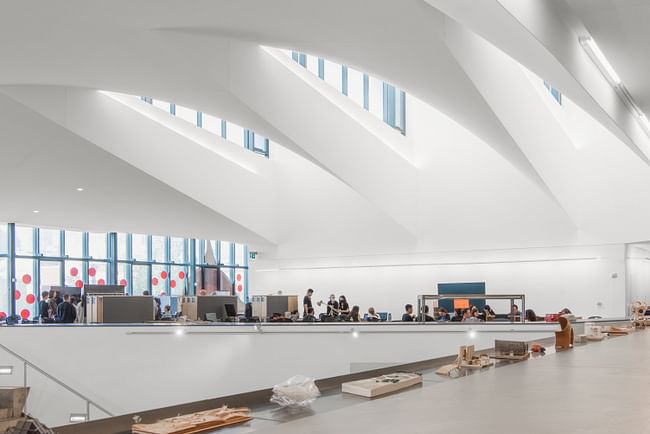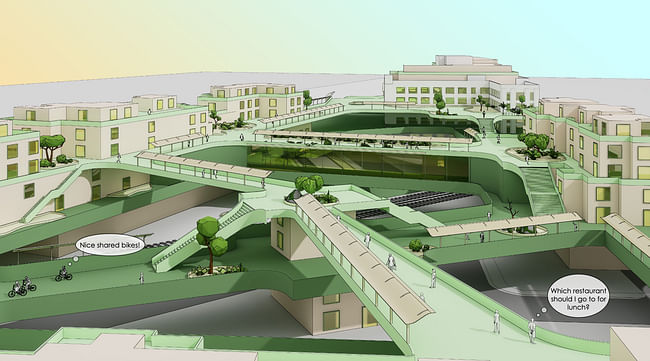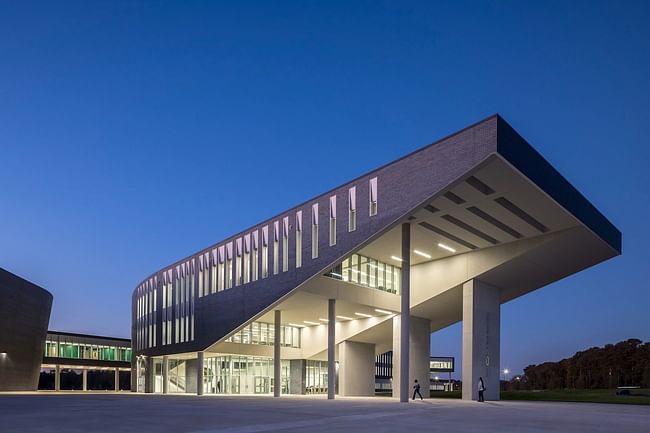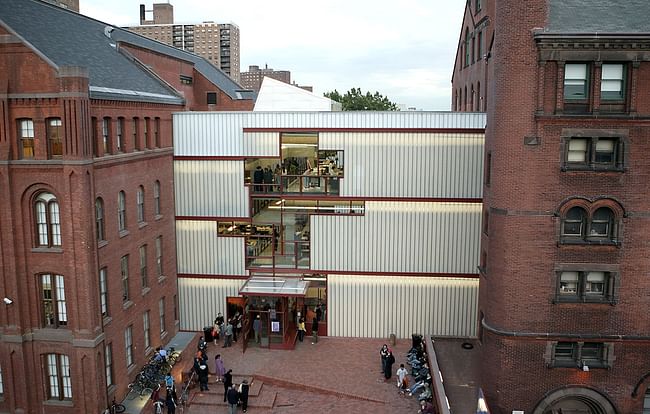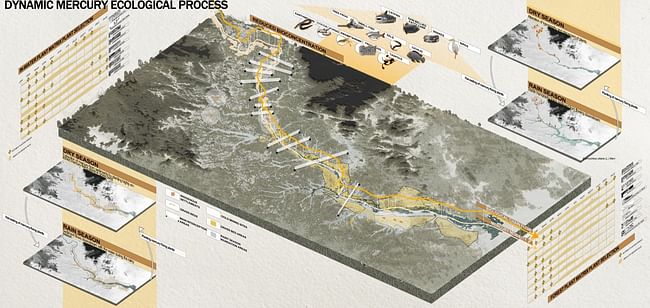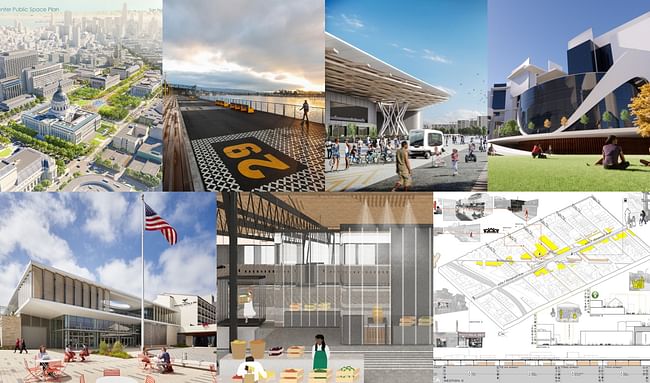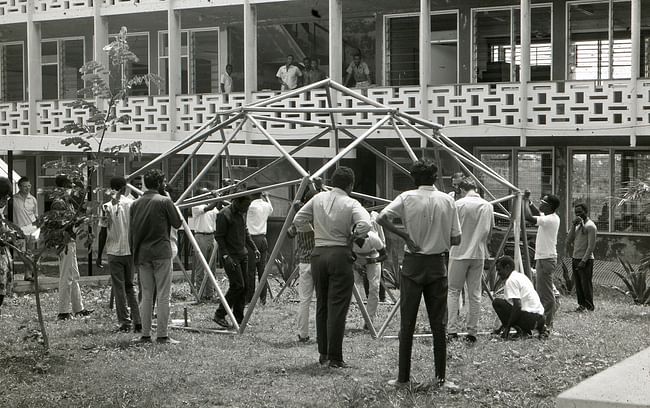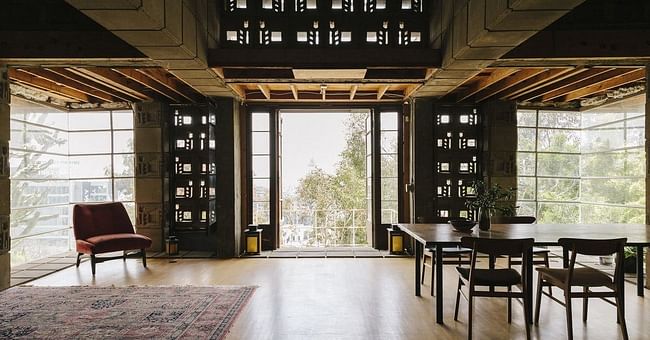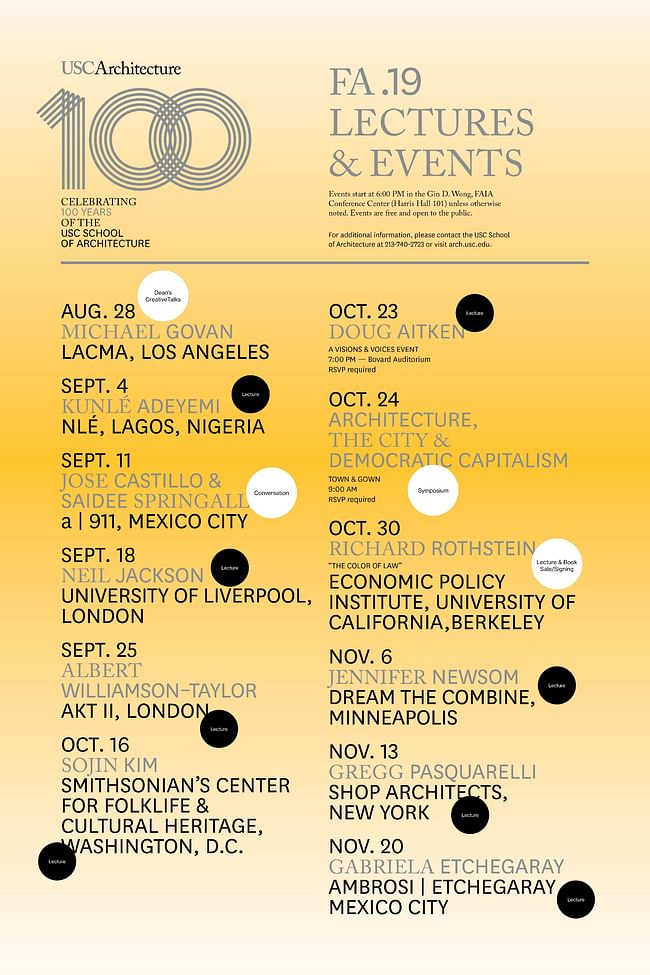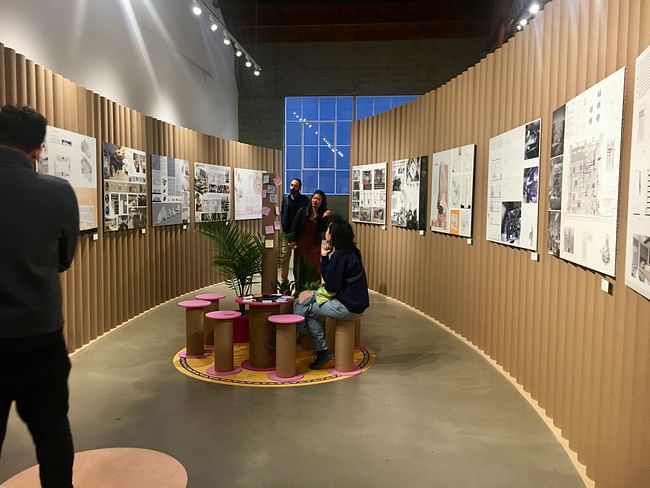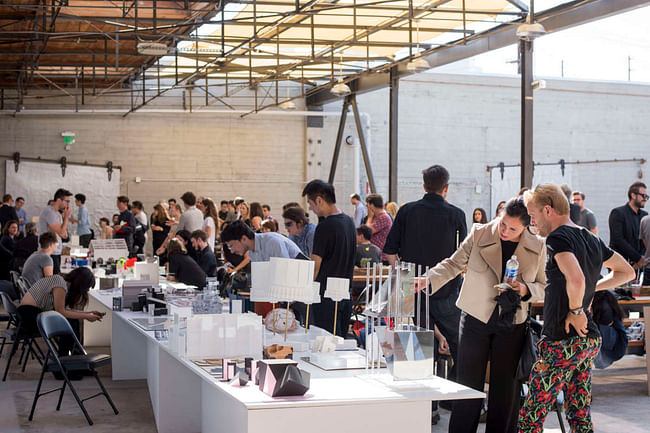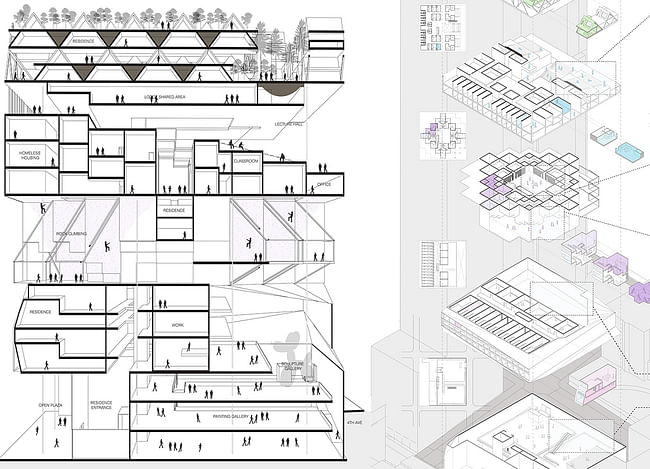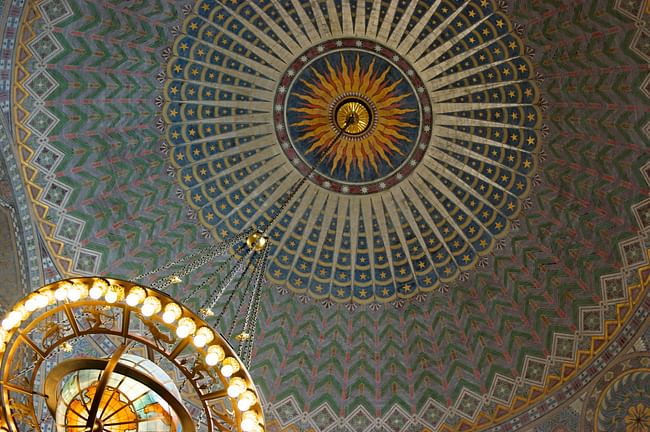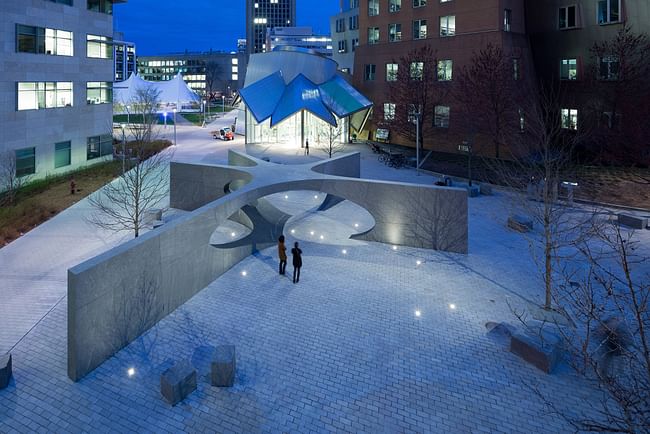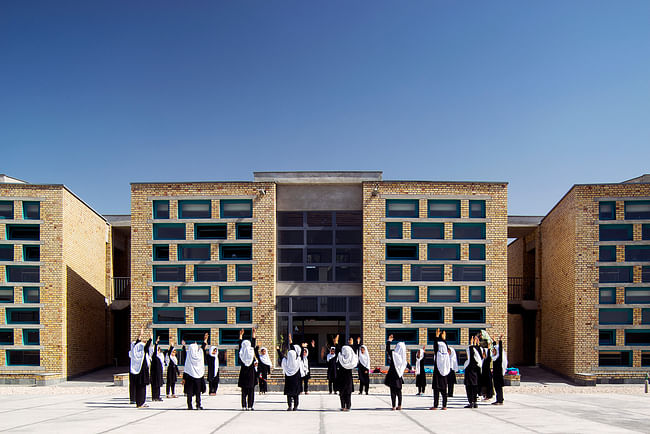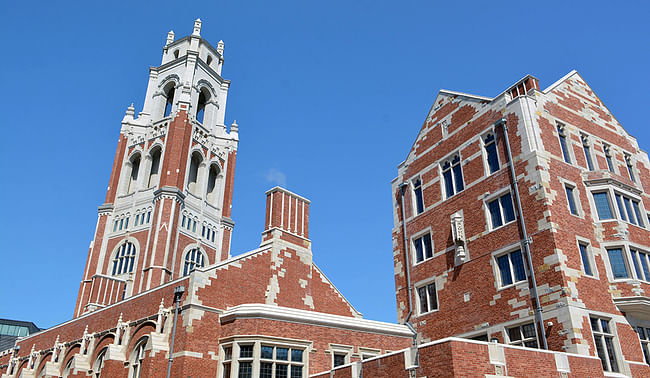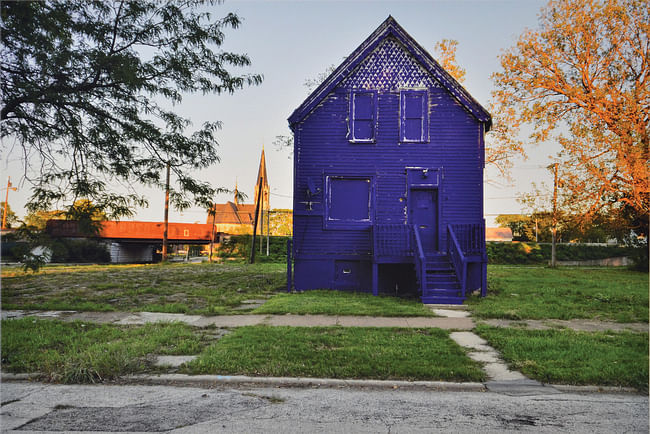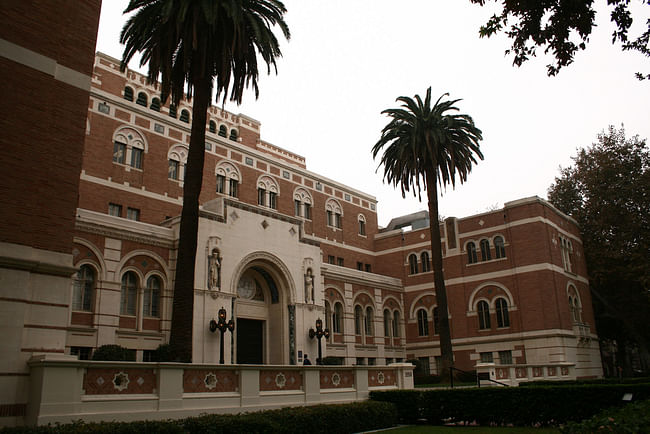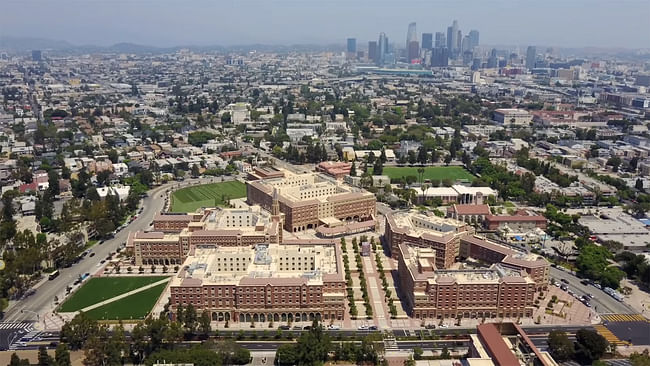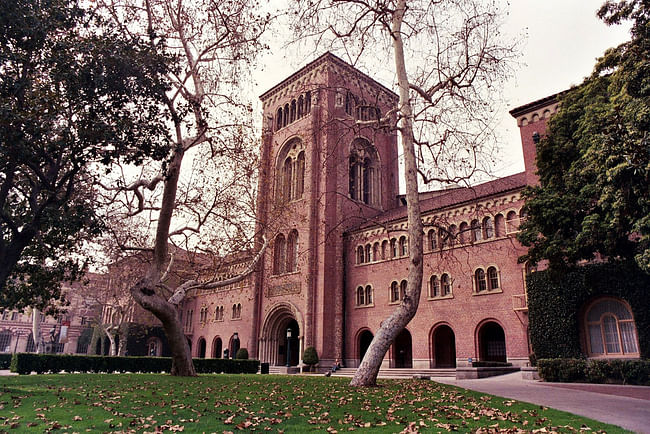

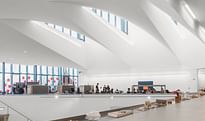



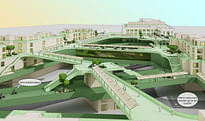



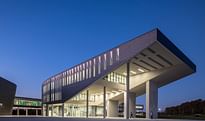




























































































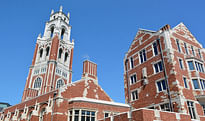



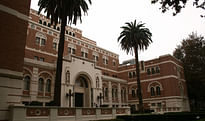






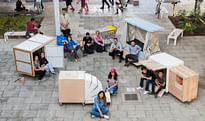



















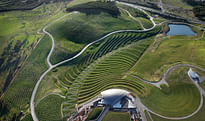
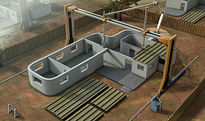








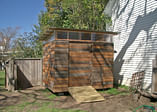
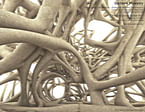
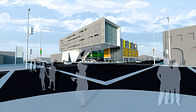


USC Architecture is a dynamic platform for educating and inspiring citizen architects to analyze problems and create design solutions that both respond to the challenges of our time and embrace the promise of a better built environment. For 100 years, USC Architecture faculty and graduates have pushed beyond the traditional boundaries of the field to pioneer many paradigm shifting new practices of architecture. Deeply rooted in the city of Los Angeles and also intensely connected to global concerns, USC architects and scholars work shoulder to shoulder with our surrounding communities to develop, empower, and leverage local insight that enables them to become intelligent and intrepid practitioners and forge creative solutions.
From a foundation of rigorous research and inspired design, USC architects and scholars move fluidly from theory into practice. Embedded in one of the nation’s most respected research universities, the School nurtures an environment in which students and faculty collaborate across disciplines. The result of this multidisciplinary approach to practice is that USC Architecture graduates are uniquely equipped to tackle the complexities of the built environment and bring new meaning to a tradition of great design.
The School’s legacy is defined by the value its faculty and graduates contribute to the future of the profession—and to our world. We synthesize learnings from research, the classroom, and the field to create a holistic and informed view on the discipline. We believe that great architecture, landscapes and cities find their most powerful expression through their impact on the persons who inhabit them and experience them, now and into the future.
Student Experience
You are part of the Trojan Family the moment you become a student at USC. This unique and prestigious designation joins you not only to the community of students and faculty but also to a network of 375,000 alumni. Together they offer an unsurpassed support system for every student. This vibrant setting presents numerous opportunities to get involved academically and socially, not only on campus but within the surrounding community and city as well. With 750 student organizations, you can explore your passions and interests — leadership programs, recreational sports, religious groups, student government, multi-cultural organizations, Greek life, community service opportunities and much more.
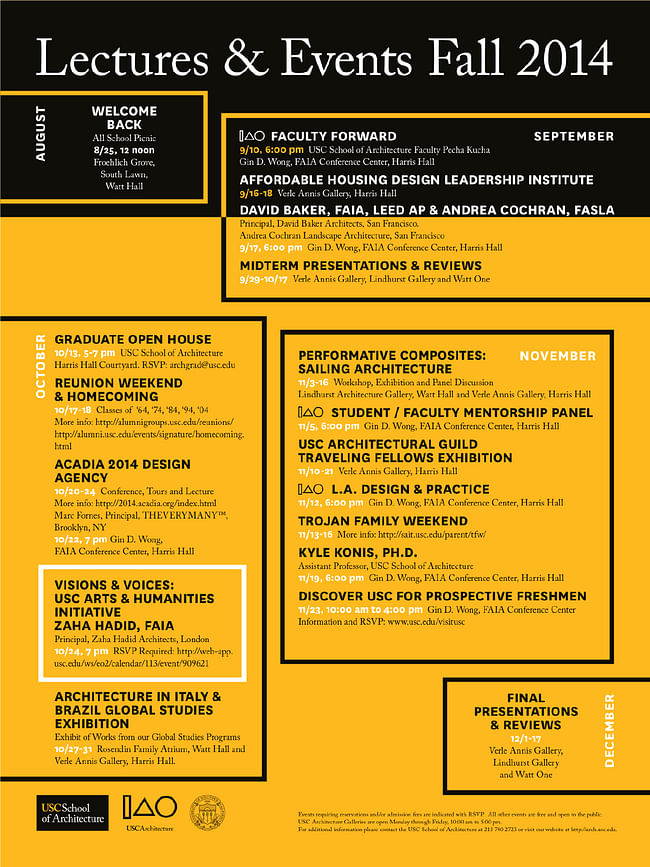
USC offers students countless opportunities and options to enhance their academic careers. You can pursue degrees from 21 different professional schools and choose from 150 minors — the broadest selection of any U.S. university. Visions and Voices, a university-wide arts and humanities initiative, fosters creativity and discovery.
The University and Los Angeles
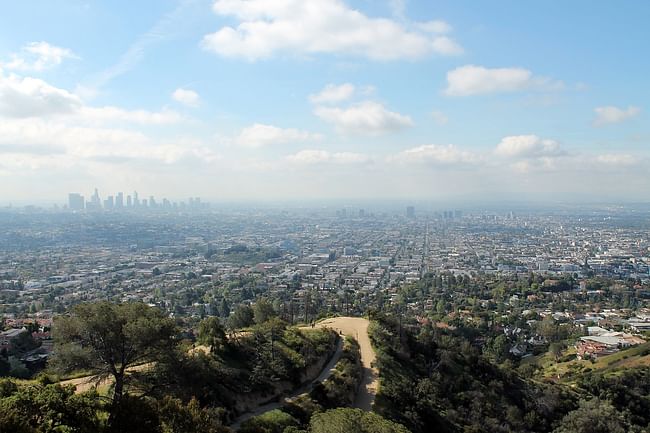
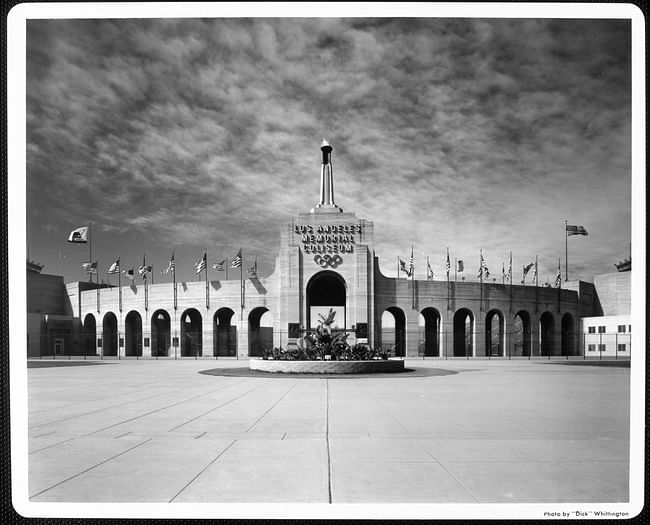
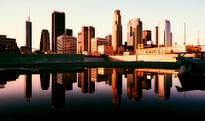
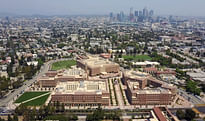
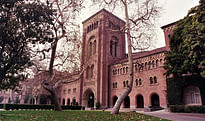
The University of Southern California is a premier research institution embedded in the dynamic urban fabric of Los Angeles. This provides USC Architecture with an unparalleled context for the study of the natural, built and technological environments, as well as opportunities to engage with cultural institutions and events throughout the year.
Our Faculty
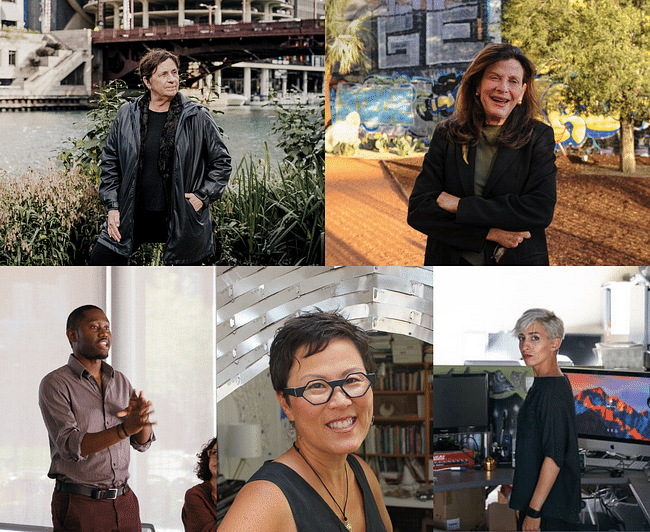
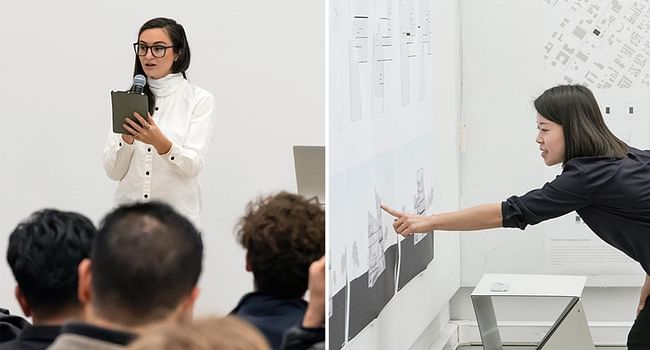
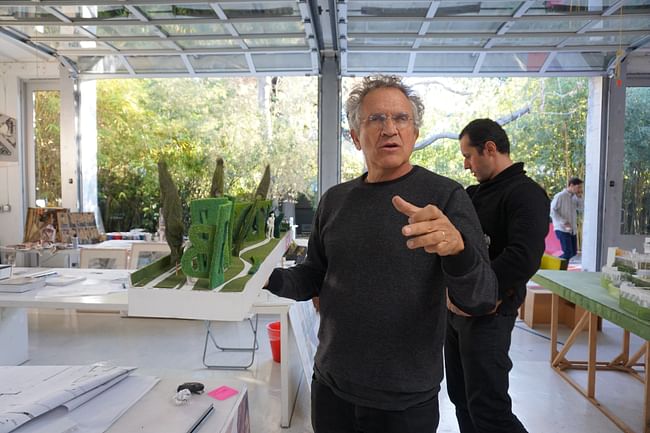
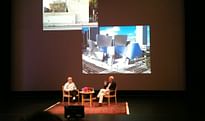
Our approximately 100 faculty members create a diverse spectrum of experts for our students to learn from in both studios and seminars each term. Tenured academicians teach alongside practicing award-winning professionals. Our invited visiting faculty and critics are selected from elite schools and design practices from Los Angeles and around the world and have recently included Paffard Keatinge-Clay, Michael Meredith & Hilary Sample, Thomas Phifer, Wendell Burnette, Trey Trahan, Julie Snow, Yansong Ma, Tom Kundig, Manuel Delanda, Mia Lehrer, David Martin, Steven Ehrlich, Ralph Knowles, Lorcan O’Herlihy, and Larry Scarpa.
After Graduation
Through the ongoing success of so many of our alumni, trained within these programs, the School of Architecture has built a well-earned reputation of preparing leaders in our field. Our degree-curriculum — whether in architecture, landscape architecture, building science or heritage conservation — has always been intensive, in-depth and topical, with each program fusing history, theory, technology and design into a variety of degree programs that well-prepare our students for the rigors of the professional design practices.
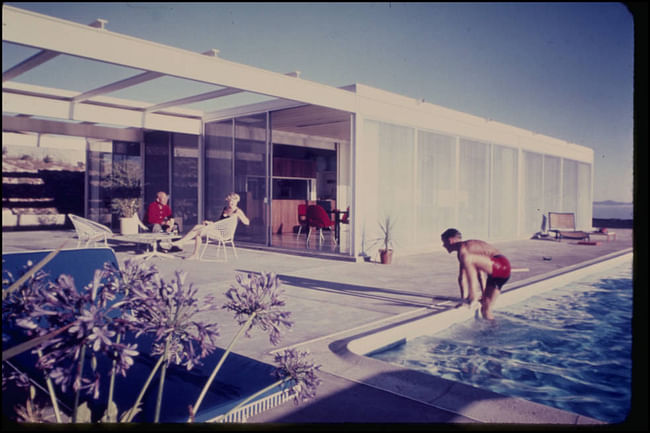
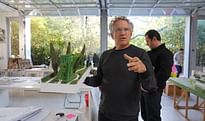
Our graduates from these programs are truly world renowned as the foremost designers, practitioners and faculty in architecture of yesterday and today. We hold two Pritzker Prize laureates, Frank Gehry and Thom Mayne, as our alumni, as well as Case Study House Program participants, Pierre Koenig, Conrad Buff, Don Hensman and Cal Straub. Countless more of our alumni continue to established themselves as leaders in local and international practices. To name a few, Emmet Wemple, Albert Martin, Jon Jerde, Mark Rios, Ronald Altoon and Gerard Furbershaw all established their own local offices after graduating from USC, which then quickly grew into practices with world wide reputations for creative, groundbreaking architecture, landscape architecture and design.













































































































































































































































![[Minh]Tam Banh](https://archinect.gumlet.io/uploads/i5/i51dj65jknf5f4e1.jpg?fit=crop&auto=compress%2Cformat&enlarge=true&crop=faces&w=38&h=38 "[Minh]Tam Banh")
![[Minh]Tam Banh](https://archinect.gumlet.io/uploads/i5/i51dj65jknf5f4e1.jpg?fit=crop&auto=compress%2Cformat&enlarge=true&crop=faces&w=158&h=158 "[Minh]Tam Banh")



















































































































































































































































































































































































































































































































































































































































































































































































































































































































































































































































Watt Hall 204
Los Angeles, CA, US , 90089