

Follow this tag to curate your own personalized Activity Stream and email alerts.
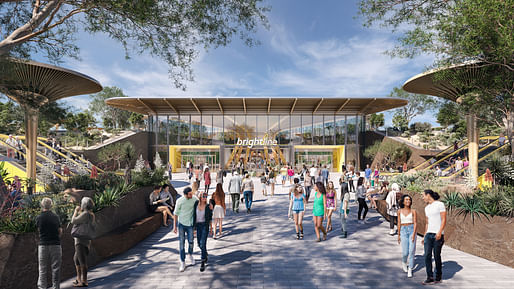
The $12 billion high-speed rail infrastructure project that will connect Las Vegas with various hubs in the Southern California region is off and running. Brightline West’s 218-mile loop is now under construction with a $3 billion push from the Biden administration’s Bipartisan Infrastructure... View full entry
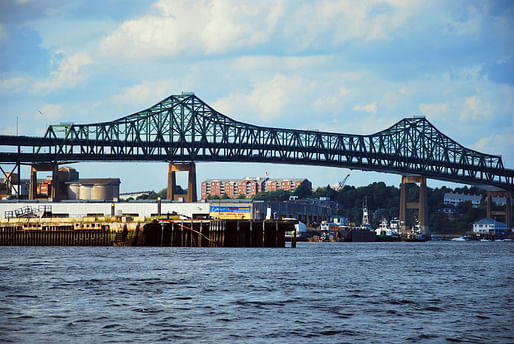
In the wake of last month’s fatal collapse of the Francis Scott Key Bridge in Baltimore, Maryland, the New York Times has published an assessment of other vulnerable spans across the country in danger of similar catastrophic failures due to the precarity of critical elements and various... View full entry
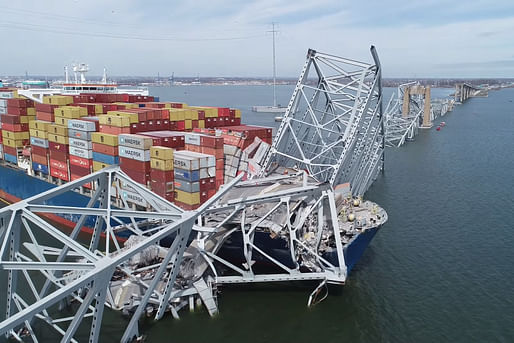
"A lot goes into how that reconstruction will be designed, how the process is going to work," Buttigieg said on "Face the Nation" on Sunday. He noted that he didn't have an estimate on the rebuilding timeline, but the bridge itself took five years to initially construct. "Right now we don't fully know everything we need to know about the condition of the portions of the bridge that did not collapse." — CBS 'Face the Nation'
Engineering News-Record reported that debris removal has already begun in haste at Baltimore's Francis Scott Key Bridge collapse site, where six people lost their lives last Tuesday, courtesy of the U.S. Navy, Army Corps of Engineers, and Coast Guard. The surviving portions of the bridge will... View full entry
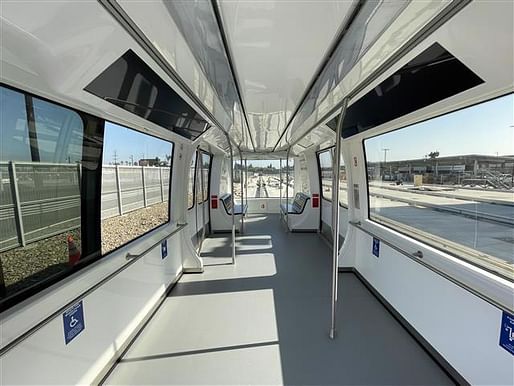
KTLA is reporting that construction setbacks on the long-awaited Automated People Mover transit system at Los Angeles International Airport (LAX) have delayed the project until at least the end of 2025. According to the local outlet’s analysis of a new Fitch Ratings report, “The Automated... View full entry
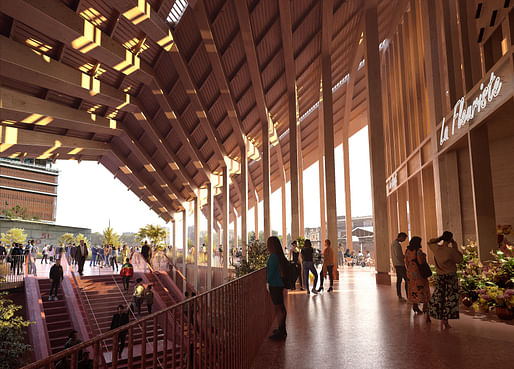
BIG has unveiled renderings for its new Marengo Multimodal Transport Hub project in Toulouse, France’s fourth largest city. The 129,000-square-foot building connects the city center to the UNESCO-listed Canal du Midi and the Périole neighborhood and will be realized adjacent to the existing... View full entry
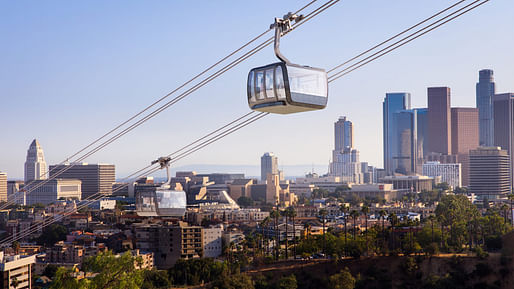
The contested plan to build an aerial gondola tram line from downtown LA to Dodger Stadium has been placed on hold after city council members voted last week to halt the Los Angeles Aerial Rapid Transit (LA ART) for the time being. Local outlet ABC 7 was first to report on the council’s decision... View full entry
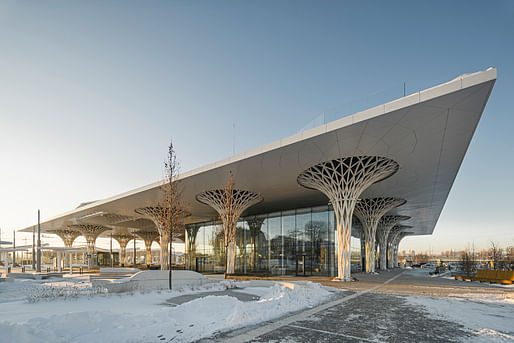
Warsaw-based Tremend Architecture Studio has completed a transport center in the Polish city of Lublin, described by the team as “one of the most environmentally friendly developments of its kind in Poland.” In addition to its signature canopied platforms for urban and regional bus transport... View full entry
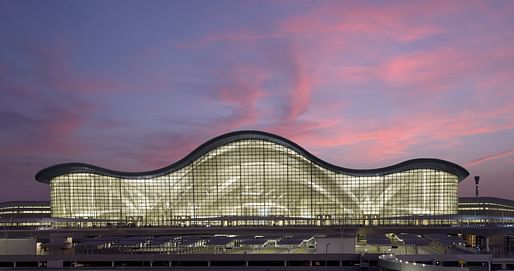
Kohn Pedersen Fox has completed Terminal A of the Zayed International Airport in Abu Dhabi, UAE. Formerly named Abu Dhabi International, the new complex will serve up to 45 million passengers per year, doubling the airport’s previous capacity. Image credit: Victor Romero Image credit: Victor... View full entry
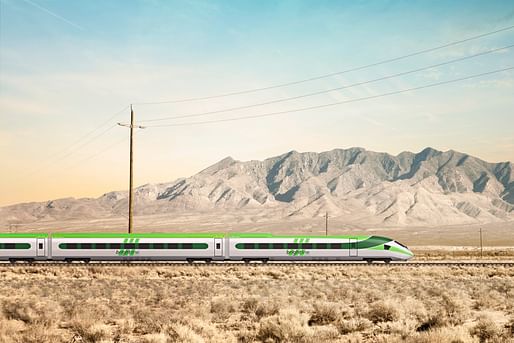
The U.S. Department of Transportation has approved $2.5 billion for the Brightline West High-Speed Intercity Passenger Rail project. As we have previously reported, the 218-mile line will connect Las Vegas to Southern California, running primarily along the I-15 median. Electric trains on the line... View full entry
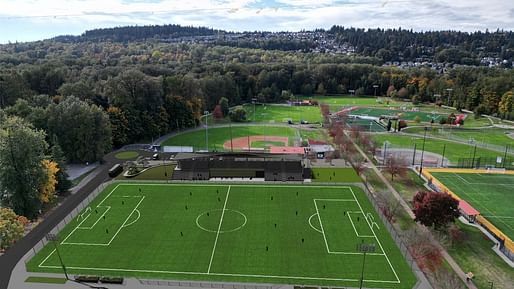
The City of Port Coquitlam in British Columbia, Canada, recently unveiled the final proposed design for one of the province’s largest training and recreational hubs for soccer. Designed by Indigenous-led, Vancouver-based firm Formline Architecture, the facility will serve as a state-of-the-art... View full entry
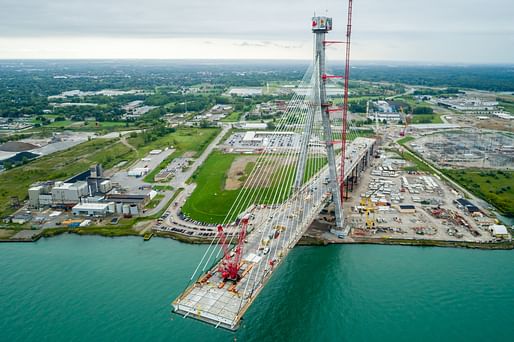
The completion date for the delayed Gordie Howe International Bridge has been pushed back to September 2025, according to the Detroit Free Press. A public announcement put out by the Windsor-Detroit Bridge Authority detailed the progress that’s been made since the project commenced in late... View full entry
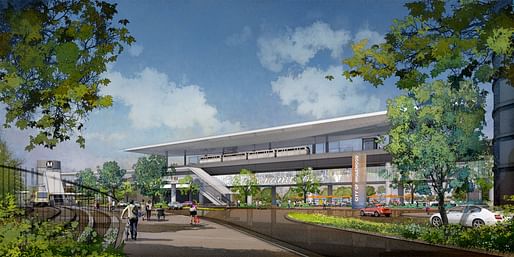
The planned Inglewood Transit Connector (ITC) in the Los Angeles area is moving forward thanks to a recent $1.09 billion investment by the federal government that will help deliver the 1.6-mile automated people mover to the rapidly changing South Bay district. Once in place, the ITC will... View full entry
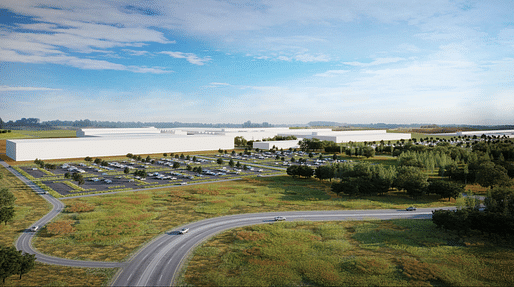
Clayco and Skidmore, Owings & Merrill have been selected by electric vehicle manufacturer Rivian to construct a “state-of-the-art EV manufacturing plant” in Stanton Springs, Georgia. The 1,800-acre complex is expected to “contribute significantly to the continued growth and adoption of... View full entry
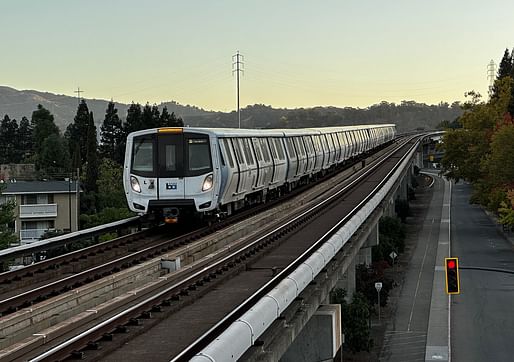
The California Transportation Commission has announced the allocation of $1.1 billion for projects aimed at repairing and improving the state’s transportation infrastructure. The funding will be deployed to projects in areas including Los Angeles, the Bay Area, and San Diego. In Los Angeles, $... View full entry
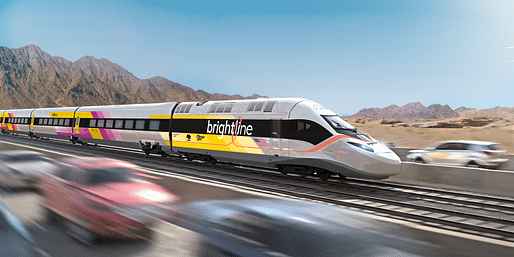
The U.S. Department of Transportation has announced $6.1 billion in funding for two high-speed rail projects in Nevada and California that will make history upon their respective completions at the end of the decade. Both the $8 billion Brightline West plan connecting Southern California to Las... View full entry


