

Follow this tag to curate your own personalized Activity Stream and email alerts.

Asif Khan’s contribution to London's Canada Water master plan, a 230-foot-long boardwalk designed to homage the historic Surrey Docks' laborers and their role in Britain’s bygone timber industry heyday, has debuted in collaboration with the award-winning firm Townshend Landscape Architect... View full entry

London Mayor Sadiq Khan has announced the appointment of Harvard GSD professor and architect Farshid Moussavi to a new two-year pilot program to improve public space and high streets in the city. The Town Architects program includes ten total names and is meant to "support the creation... View full entry

The full details for a proposed new pedestrian corridor along Fifth Avenue in Midtown Manhattan designed by Field Operations have been released by the city in anticipation of the first redesign of the famous thoroughfare in its 200-year history. The plan covers a swath from Central Park South to... View full entry

Seattle’s Waterfront Park transformation took another step closer to completion last week with the opening of Overlook Walk, a new elevated park for the waterfront designed by Field Operations. The new walkway creates a “new pedestrian destination and journey between the city and... View full entry

Field Operations has announced they are working with Canadian partners Brook McIlroy on a new public realm rehabilitation project dubbed The Bentway Islands in Toronto. The plan calls for the redevelopment of three traffic islands into a new space that totals 125,000 square feet. Design... View full entry

Earlier this week, the City of New York released a request for proposals (RFP) to redesign a portion of Park Avenue, between East 46th Street and East 57th Street, by adding greenery, public seating, concessions, and safer crossings for pedestrians. This section of Park Avenue sits atop the... View full entry

Snøhetta has completed work on their $35 million redesign of The Blanton Museum of Art grounds for the University of Texas at Austin. The debut of the New Ground Initiative comes at the end of a three-year revitalization that saw the Blanton continuously operate during construction. The... View full entry
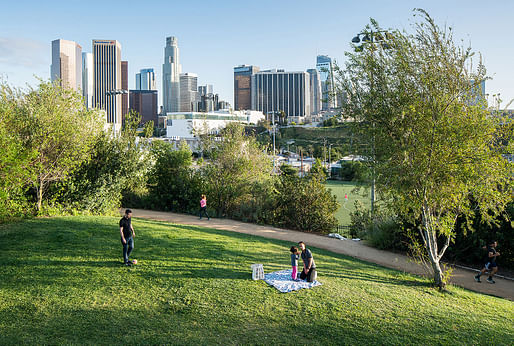
The U.S. House of Representatives has passed the Outdoors for All Act, which seeks to address the lack of adequate recreation space in underserved communities. The bill, which is yet to pass the U.S. Senate, would establish a dedicated source of funding for the existing Outdoor Recreation Legacy... View full entry
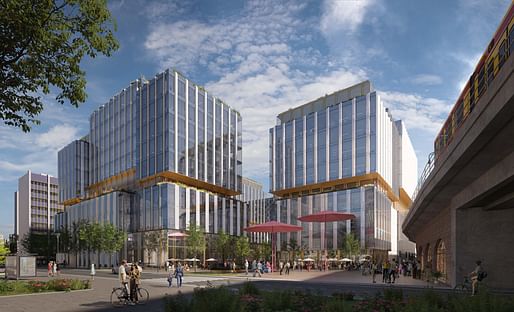
Construction has begun on the MVRDV-designed LXK Office and Residential Campus in Berlin. The mixed-use complex will add needed office and residential space to a rapidly developing part of the city. The project is located in the Friedrichshain district. It spans approximately 658,751 square feet... View full entry
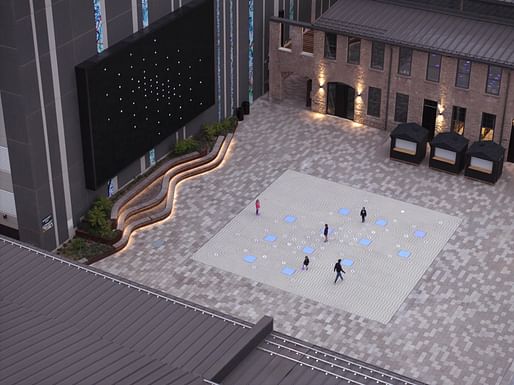
Montreal-based studio Daily tous les jours has completed a public space design in Cambridge, Ontario, Canada. Titled 'River Lines,' the project saw the creation of an interactive stage in an urban plaza for big impromptu musical ensembles. Video credit: doublespace photography Part of the... View full entry

Following last week’s look at an opening for a Studio Director at Doug Aitken Workshop, we are using this week’s edition of our Job Highlights series to explore an open role on Archinect Jobs for a Project Manager at Fluidity Design Consultants. The role, based in Los Angeles, calls for an... View full entry
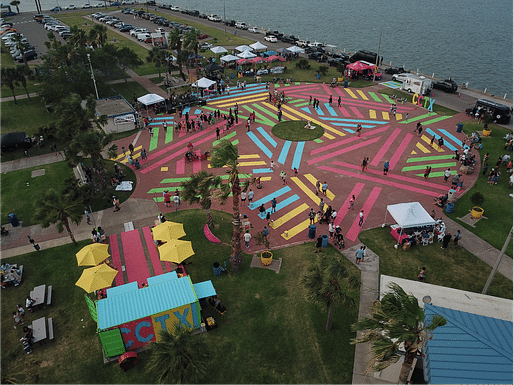
Following last week’s look at an opening for an Architect/Designer at Build Block, we are using this week’s edition of our Job Highlights series to explore an open role on Archinect Jobs for a Landscape Designer at the Better Block Foundation. The role, based in Dallas, TX, “goes beyond the... View full entry
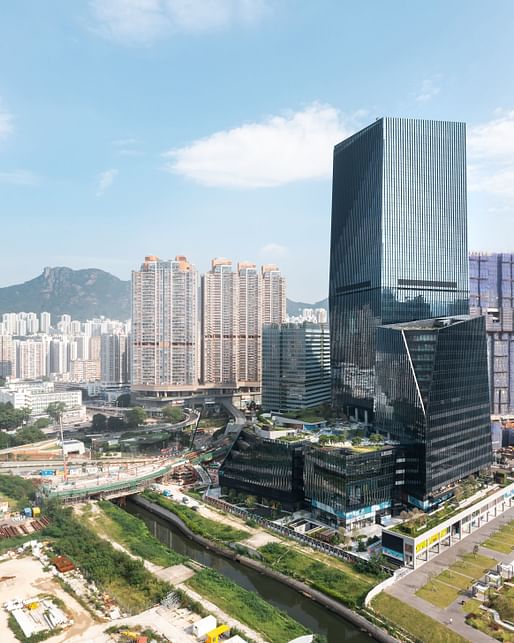
Snøhetta’s AIRSIDE, a LEED Platinum-certified, mixed-use development in Hong Kong, has officially opened. Located at the site of the former Kai Tak Airport district, the approximately 1,912,424-square-foot project merges into the surrounding urban landscape by creating direct access... View full entry

Field Operations has announced its participation as the design lead for a new public space and pedestrianization project that will affect a large swath of Fifth Avenue in Midtown Manhattan. The new “Future of Fifth” project, announced by New York Mayor Eric Adams this week, will... View full entry
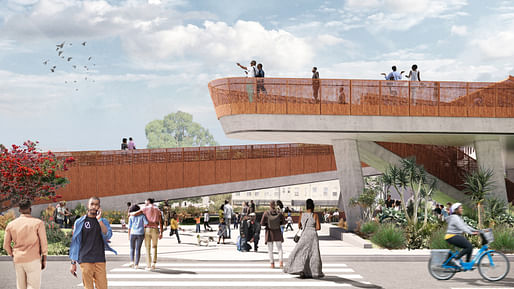
This fall’s anticipated debut of the Sankofa Park component of the new Destination Crenshaw public space redesign from Perkins&Will and Studio-MLA in Los Angeles has been pushed back to February of next year, according to an announcement made Wednesday by the group managing its construction in... View full entry


