

Follow this tag to curate your own personalized Activity Stream and email alerts.
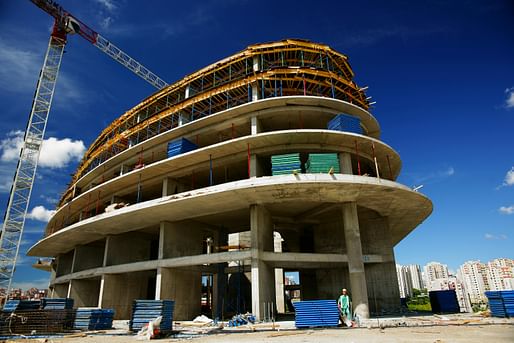
A new Associated Builders and Contractors (ABC) analysis of statistics provided by the U.S. Bureau of Labor Statistics Producer Price Index data has shown a slight decline in construction input prices of 1.2% for the month of October. Per ABC’s analysis, Construction input prices are 1.1%... View full entry
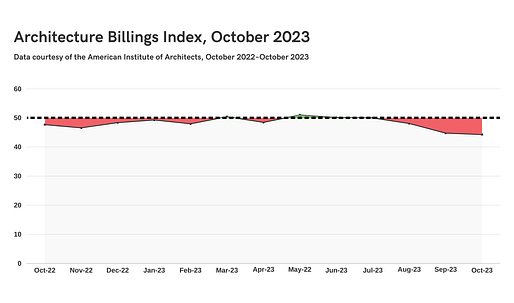
The newly-released Architecture Billings Index from the American Institute of Architects has indicated a significant decline in billings after posting a total score under 50 for the third month in a row. The October score of 44.3 offers a slight decrease from September’s total of 44.8. The West... View full entry
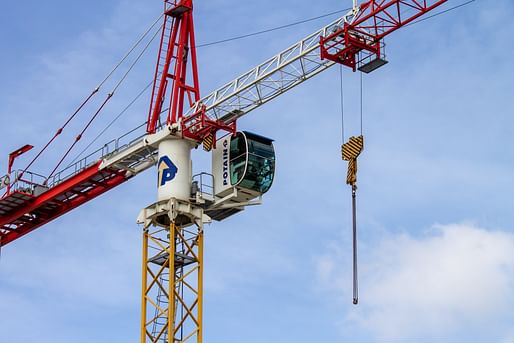
The data just released in the Dodge Momentum Index (DMI) reporting for the month of October indicate a 1.0% increase to 181.7 over September’s revised total of 180.3. The increase was propelled by a 2.0% rise in the commercial component, while the institutional component dropped by 1.4%. Year... View full entry
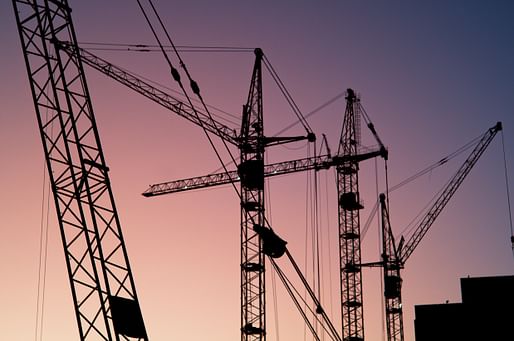
According to Rider Levett Bucknall’s (RLB) latest crane index report, the total number of cranes on commercial projects in North American cities has decreased by 10%, or by 51 cranes, from the first quarter to the third quarter of 2023. Out of the fourteen cities surveyed, six experienced... View full entry
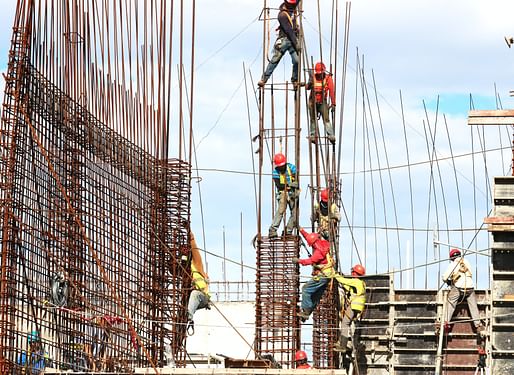
Construction starts for the month of September declined a total of 6% to a seasonally adjusted annual rate of $1.2 trillion, according to the latest Dodge Construction Network report. The findings come on the heels of a converse 6% increase reported in last month’s index that was driven... View full entry
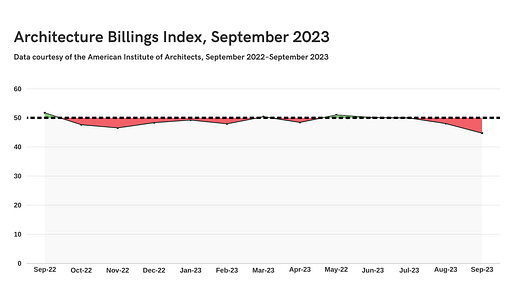
The latest Architecture Billings Index from the American Institute of Architects for the month of September is showing declines for a second consecutive month to a total score of 44.8 (any score above 50 indicates an increase) following a brief period of stabilization that occurred over the... View full entry
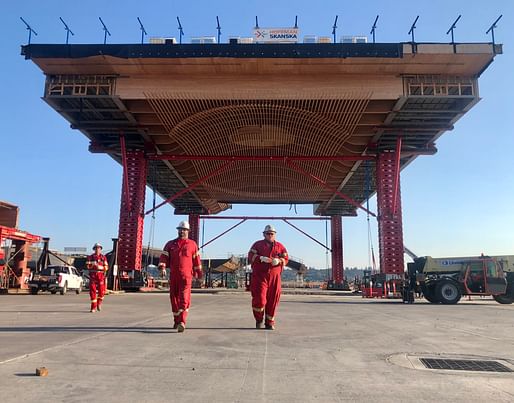
Construction input prices remain marginally higher than one year ago, according to an analysis of U.S. Bureau of Labor Statics Producer Price Index data conducted by the Associated Builders and Contractors (ABC). Overall construction input prices are 0.3% higher than a year ago, while... View full entry
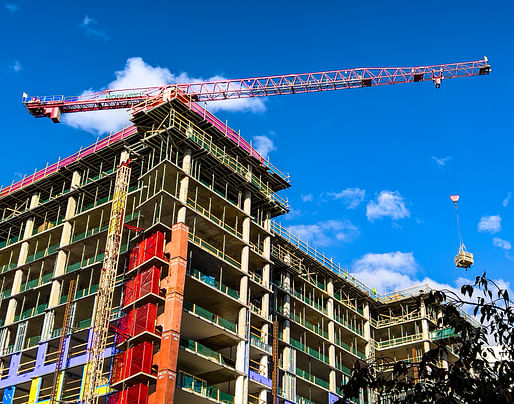
September's Dodge Momentum Index (DMI) rose 3% to 182.5 from the revised August reading of 178.0. Over the month, the DMI’s commercial component fell 1%, while the institutional component rose 9%. The dip in the commercial segment was driven by weaker office planning. On the other hand, the... View full entry
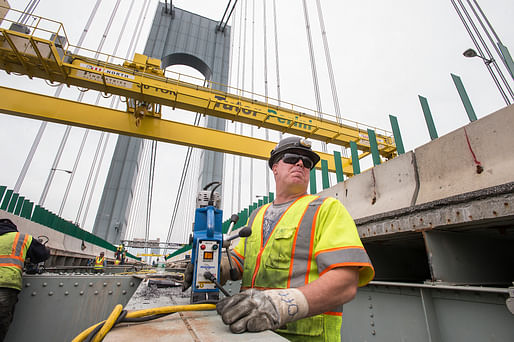
Concerns over the possible Federal Government shutdown next month are causing headaches for contractors of much-needed infrastructure projects across the country who fear a chain reaction in the construction industry could leave lasting setbacks that would take years to overcome. A stop-work on... View full entry
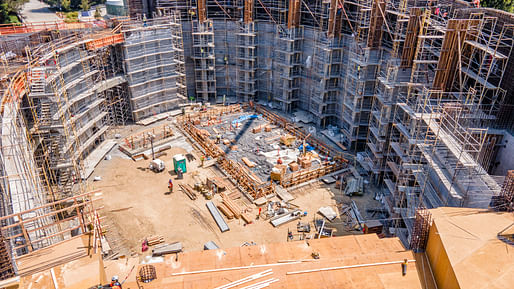
The Associated Builders and Contractors’ Chief Economist Anirban Basu has struck an optimistic note about the near-term health of the construction industry. The assessment comes as ABC releases its latest Construction Backlog Indicator, which found that backlogs declined to 9.2 months in... View full entry

The latest data from the Dodge Construction Network has indicated a 6% total rise in construction starts to a seasonally-adjusted rate of $1.3 trillion for the month of August, following a 17% rise that was recorded in July thanks to gains in the multifamily and nonbuilding sectors. Nonresidential... View full entry
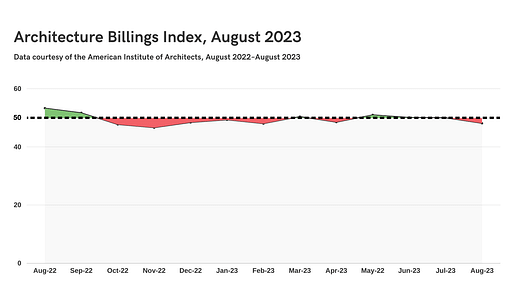
The American Institute of Architects' latest Architecture Billings Index for August has recorded a slight decrease to a score of 48.1 (any score above 50 indicates an increase), marking the eleventh month of consecutively flat figures for firms following a period of growth between 2021 and... View full entry
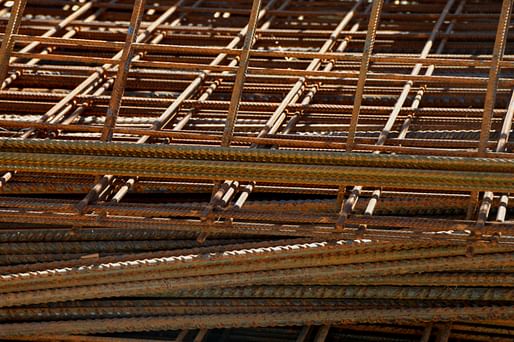
Construction input prices ticked up 1.5% in August, the first increase in six months, due to a surge in energy costs, according to a new Associated Builders and Contractors’ analysis of U.S. Bureau of Labor Statistics Producer Price Index data released Thursday. — Construction Dive
These readings come as a shock as the flattening of costs suggested that inflation was cooling. According to a separate analysis from the Associated General Contractors of America, a major increase in diesel fuel costs in August drove the overall increase in materials prices. The producer price... View full entry
The August Dodge Momentum Index (DMI) reading dipped 6.5% to 178 from the revised July reading of 190.3. Over the month, the commercial component of the DMI fell 1.6%, and the institutional component saw a double-digit decline of 14.8%. The notable contraction in the institutional sector was... View full entry

New rental apartment construction in the United States is expected to top a 50-year high in 2023. According to a report by RentCafe, nearly 461,000 units are expected to be delivered across the U.S. this year, meaning that over the past three years, 1.2 million units will have been built and... View full entry


