

Something I don’t talk about much, and certainly not in public, is how I came to care so much about public transit. I wasn’t one of those kids who obsessed over route schedules and maps. I grew up in an abusive home in the suburbs.
I couldn’t just walk or even bike everywhere I wanted to go. The bus gave me some independence, at an early age, to live my life. It was a way that I could get to activities and school and see friends without relying on my parents to drive me every single time. It allowed me to say “no thanks” when it was important to me or when I had no other choice. So I used transit from a young age, benefitting a ton from other riders looking out for me. Getting on the wrong line, missing my stop, getting on the right line in the wrong direction—heck, I still do all that today, and still rely on other riders to help me get where I’m going. The community of public transit riders is a real community. Public transit has always been there for me, even when I wish it was more convenient or served more destinations. Buses, trains, and stations are public spaces, and their publicness makes them generally safe.
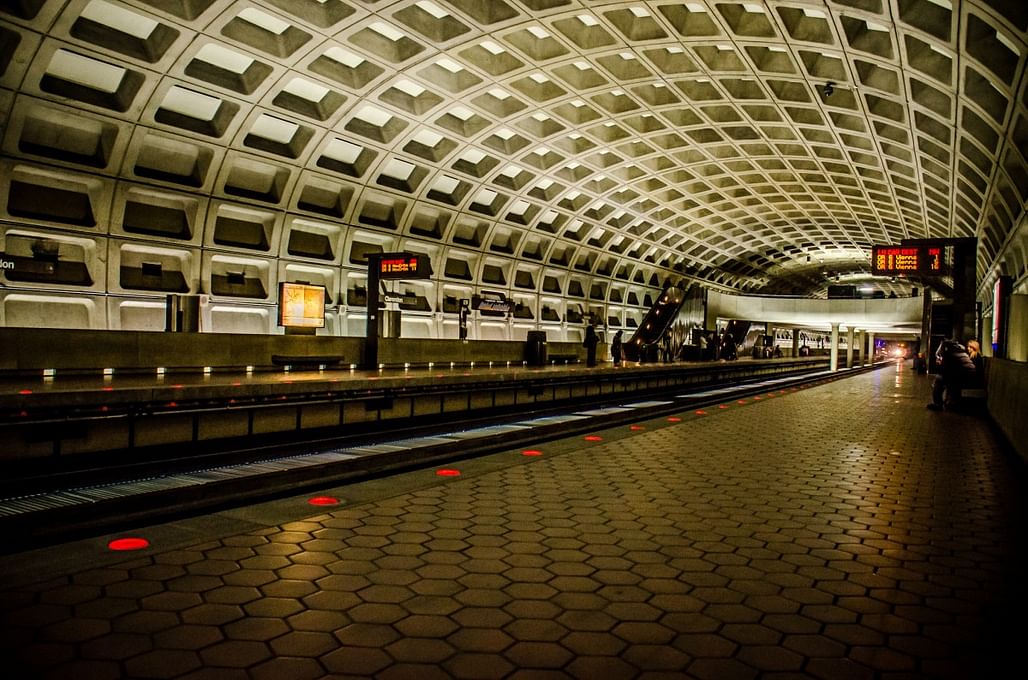
So when I was nineteen and got caught in another city in the apartment of a man who I had thought was safe, but who turned out to not be, and I found myself fleeing in the middle of the night, where did I go? The only place I knew, which was the nearest subway station, where I sat and leaned on the wall and dozed until the trains started running in the morning, and I could move on. Maybe you have your own story like this, too.
[image from https://ggwash.org/]
Public transit is a low-cost way for people to go where they need to go, and to be safe. It’s important for our climate and economic goals, of course—but it also saves and changes lives, by making vulnerable people a little less vulnerable.
For young people, for people without money, for people with disabilities or mobility needs, for victims of domestic abuse, for people who want independence without depending on someone else at every step: let’s fund public transit in California, and everywhere.
Public transit funding is in peril right now in California. We’re asking Assemblymember and Budget Chair Phil Ting and Governor Gavin Newsom to support public transit in the budget. Please take one minute to call Budget Chair Phil Ting at: (916) 319-2019 to ask him to fund public transit. (That's all you have to say--no need for speechmaking, though you can go deeper if you want!)
San Francisco Transit Riders also has a tool that will help you email both Budget Chair Ting and Gov. Newsom very quickly, either with a pre-written text or your own words.
Thank you <3
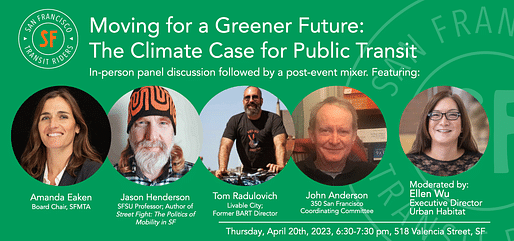
Hello Archinect, I'm at 518 Valencia in San Francisco for a panel discussion hosted by San Francisco Transit Riders on the role of public transit in fighting climate change. The event is moderated by Ellen Wu, Executive Director of Urban Habitat, and panelists are: Amanda Eaken, Chair of... View full entry
Hi Archinect, Half of the world's population is now under orders to stay at home to reduce the spread of COVID-19. My own family has been feeling cooped up and longing for simple pleasures like meeting up with friends at a park or joining the hustle and bustle downtown. Then I realized that, as... View full entry
Hi Archinect! It's been a long time since I've posted; first, because I took a job in a (non-architecture related) tech start-up, and second, because I had a child and took a long pause from the working world to spend some time with him. But I recently had the chance to exercise my typing... View full entry

Hello Archinect,Black in Design is a conference organized by Harvard Graduate School of Design’s African American Student Union (AASU), coming up on October 9-10, 2015. The conference is by, for, and about African descendants in the worlds of architecture and design. But it’s also about the... View full entry
Hi Archinect, I recently had the pleasure of interviewing Gehry Technologies CTO Dennis Shelden and writing about Gehry Technologies, Frank Gehry's software and project delivery services company, for the data-driven blog Priceonomics. Gehry Technologies, as you may recall, was acquired this... View full entry
The future is here, and the future is terrifying. Trimble and Microsoft's HoloLens.
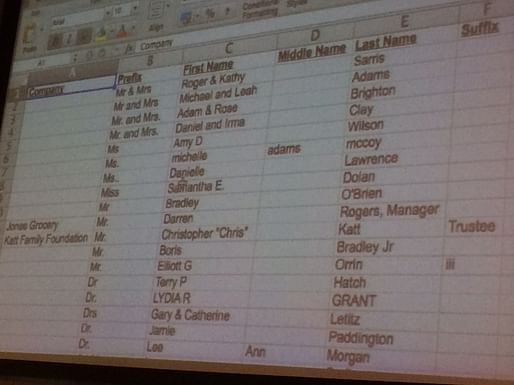
Hi Archinect,Another session at Do Good Data 2015. Bethany Lang is presenting. (Warning--no architecture here!) "Ugly data" here isn't talking about the nuances of metrics or computation, but very simply: wrong data. People change jobs often in the nonprofit world, and it's easy for... View full entry
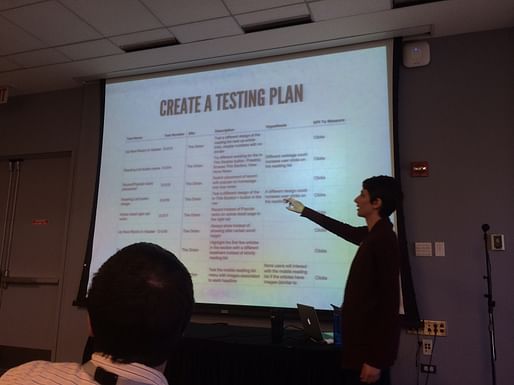
Hello Archinect!I'm in Chicago with the ACSA at Do Good Data 2015, and Kristi-Lynn Jacovino from the Onion and Clickhole is talking about user experience on the web. The Onion has a very small design team (two people, I think?) and they just launched their new site today! (There's a nice... View full entry
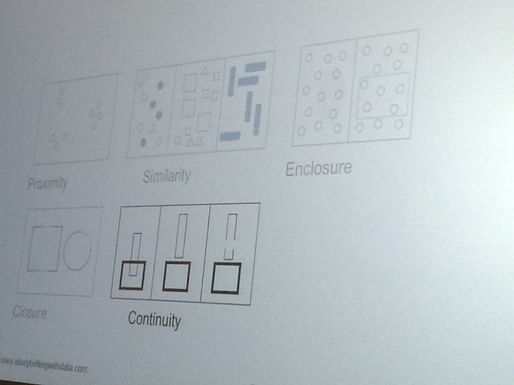
Hello Archinect,I wiggled my way up to the University of San Francisco for the first talk of the season in their Data Visualization Speaker Series, given by Cole Nussbaumer. [Update: a video of the talk is here.]7:05pm: Until two years ago, CN worked in Google's People Operations team, where... View full entry

Hello Archinect,I'm in downtown Toronto for ACSA's 103rd Annual Meeting, themed "The Expanding Periphery and the Migrating Center." The first plenary session is "the pecha kucha of keynotes." From the program book:MISSION STATEMENTS Many things have changed and many things have remained the same... View full entry
Hello Archinect,I'm at UC Berkeley in the beautiful East Bay to hear Christopher Hawthorne speak at the College of Environmental Design. From the UC Berkeley website: Christopher Hawthorne has been the architecture critic for the Los Angeles Times since 2004. Before coming to The Times, he was... View full entry
Gehry on fish

Hi Archinect,I'm back at San Francisco's Neighborhood Emergency Response Team Training, for our second class. Same disclaimer as last time: this isn't really about architecture, but I AM focusing on aspects that relate to the built environment. 6:40 pm: The dust in the air after 9-11 spread... View full entry
That escalated quickly.
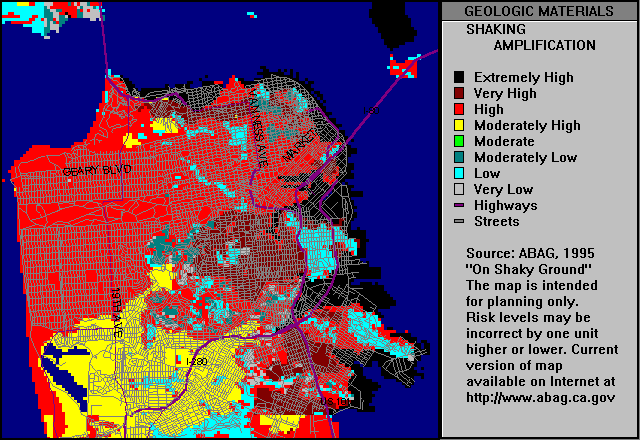
Hi Archinect,I'm in a hospital basement auditorium in San Francisco for the first of six sessions to learn how to be part of the city's Neighborhood Emergency Response Team. It's a volunteer team, and the city offers the 20 hour training for free in order to help build the city's resilience in... View full entry
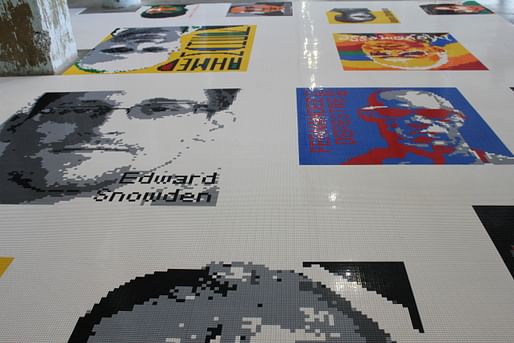
Hi Archinect,Here are some images from Alcatraz, including Ai Weiwei's new show called @Large, open until April 26 2015. Organized by the For-Site Foundation in partnership with the National Park Service and the Golden Gate National Parks Conservancy, @Large includes seven new installations that... View full entry
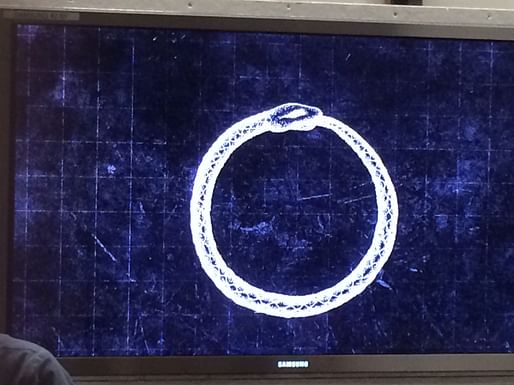
Hi Archinect!W. Gavin Robb is presenting his M.Arch thesis, “Roots Run Deep: A Tomb for Manfredo Tafuri."The tomb and the sublime are closely linked.Relation between technology and buildings at this scale. Empathy: a tight fit between a body and its space.Instrument: a domestic scale and an... View full entry
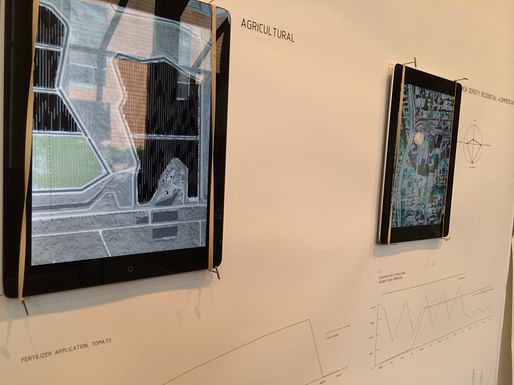
Hi Archinect,I’m at the GSD for thesis reviews—Anya Domlesky is presenting “HOT ROT: A Breakdown Manual” for her MLA degree.Landscape architects should be not just the apologists or ameliorators for solid waste, but active agents in the procedures of dealing with waste.The site is South... View full entry
Hi Archinect!From the OpenVis Conf website:Marian Dörk is a research professor for information visualization at the Potsdam University of Applied Sciences. Motivated by the design opportunities and research challenges arising from growing information spaces, Marian is particularly interested in... View full entry
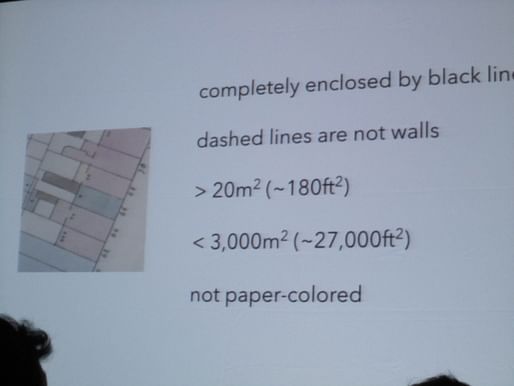
Hi Archinect!The full title of Mauricio's talk is "NYPL Labs Building Inspector: Extracting Data from Historic Maps." From the OpenVis Conf website:Mauricio enjoys playing with code, objects and all things interactive. He is currently an interaction designer at NYPL Labs, The New York Public... View full entry
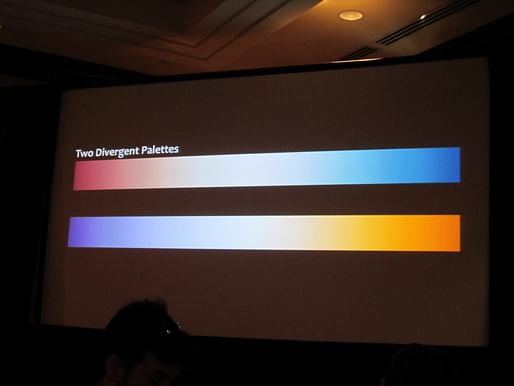
Hi Archinect!Back for the second day of this great event. From the OpenVis Conf website:The purpose of data visualization is to illuminate data. To show patterns and relationships that are otherwise hidden in an impenetrable mass of numbers.In many datasets, color is one of the most effective... View full entry
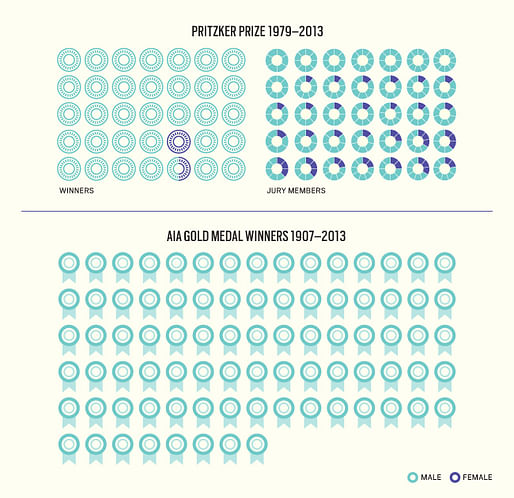
Hi Archinect!From the OpenVis Conference Website: Andy Kirk is a UK-based freelance data visualisation specialist. Andy launchedvisualisingdata.com in February 2010 and this has grown to become a popular source of information about the data visualisation field. He became a freelance... View full entry
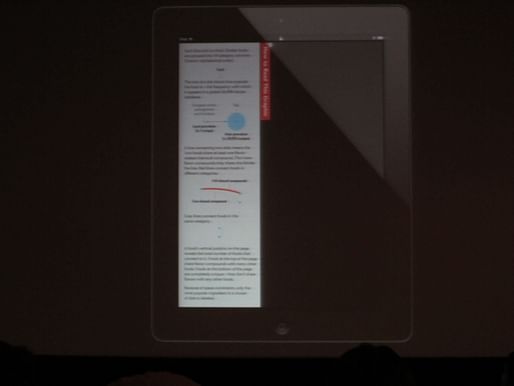
Hi Archinect!The full title of Jen Christiansen's talk is "Visualizing Science: Developing Information Graphics for Scientific American Magazine."From the OpenVis Conf website: From its first data-based chart (on the topic of inertia, momentum, and projection) up through to today's web... View full entry

Hi Archinect,Kennedy Elliot is up now, talking about using data in journalism.From the OpenVis Conf website: Each week the Washington Post publishes five to ten graphics, many of which are interactive and nearly all of them have a web presence. The reach of the graphics department covers breaking... View full entry
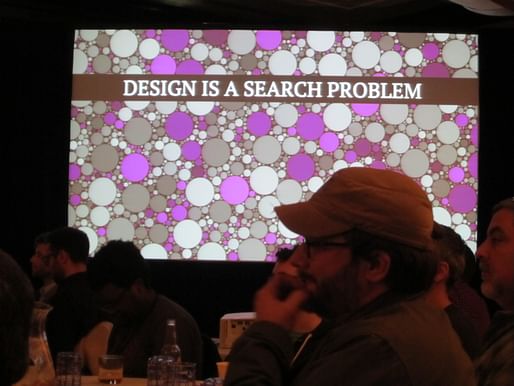
Hello Archinect!I'm in East Cambridge for the two day OpenVis Conference hosted by Bocoup, an open web technology company based here in Boston.Mike Bostok, graphics editor for The New York Times, is the first speaker. From the conference website: He is also the author of D3.js, a popular... View full entry
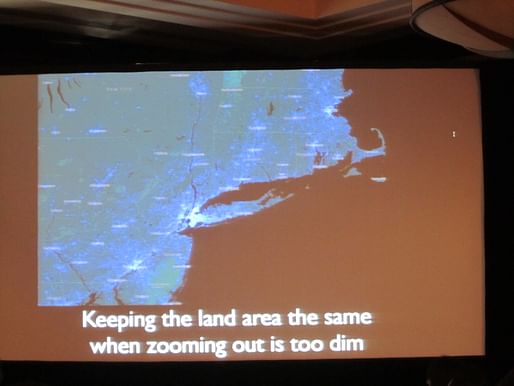
Hi Archinect!Eric Fischer is up next at Bocoup's OpenVis Conf. From the conference website: Eric Fischer is a data artist and software developer at Mapbox. He was previously an artist in residence at the Exploratorium in San Francisco and before that was on the Android team at Google. His work... View full entry
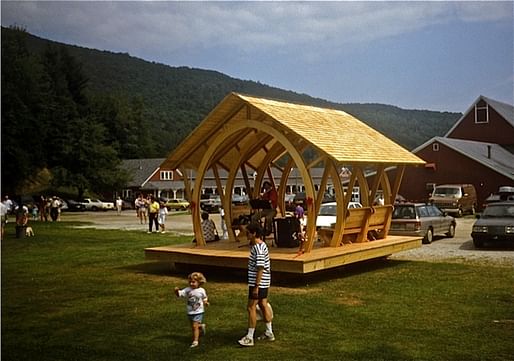
Hello Archinect,This is a throwback to 2007 for me, when I attended the two week design/build course led by Jersey Devil co-founders Steve Badanes and Jim Adamson, along with New York-based architect Bill Bialosky. I had the pleasure of seeing Steve at our ACSA Annual Conference in Miami a couple... View full entry
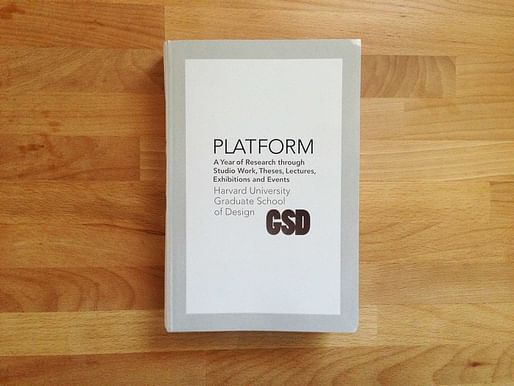
[Image from Pimentel.]“You will be remembered for what you leave out or neglect.”Rosetta Elkin, Editor of Platform 6, includes these words in a short meta-essay entitled “Editing Pedagogy,” in which she retroactively imagines a brief for the project of gathering, selecting, and... View full entry
Flip-through of Platform 6
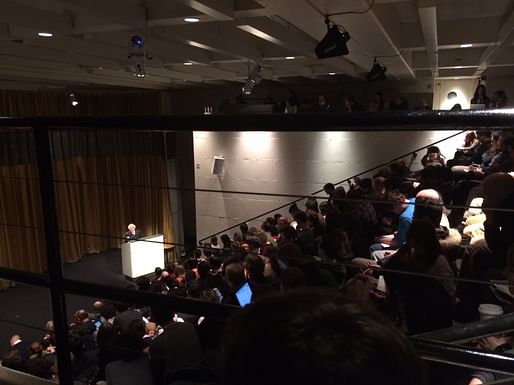
Hi Archinect,It's a packed house in (half) Piper tonight for Manuel Castells, Professor of Communication Technology and Society, USC Los Angeles. His talk responds to recent movements in Brazil and Turkey, drawing on themes from his book Networks of Outrage and Hope; Social Movements in... View full entry
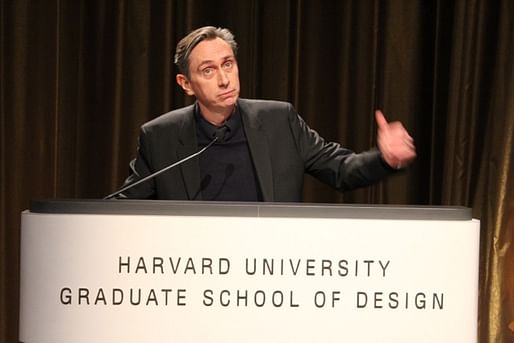
Hello Archinect,I'm back in Piper to see Christopher Glaisek, vice president of planning and design for WATERFRONToronto, and Bruce Kuwabara, founding partner of Toronto-based KPMB Architects and now Chair of the Board at the Canadian Centre for Architecture. As a... View full entry
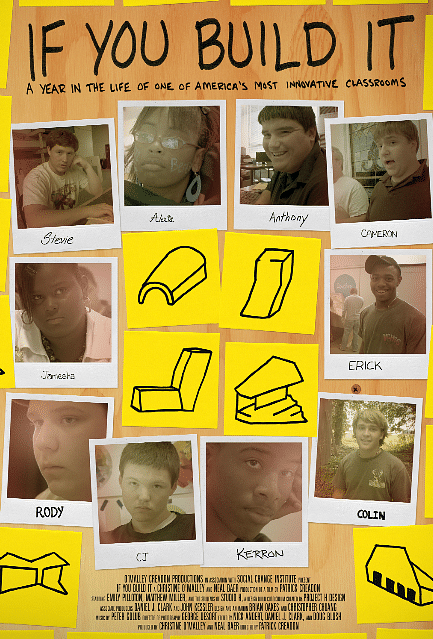
Hi Archinect!Okayyyyyy, I'm back at the GSD to watch "If You Build It," directed by Patrick Creadon (2012), a film about the origins of Studio H's design/build education taught by Emily Pilloton and her team of teachers (including GSD grad Hallie Chen!).Studio H now hails from... View full entry
If You Build It Official Trailer
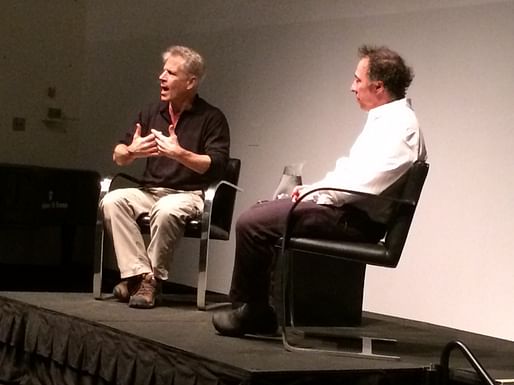
Hi Archinect,After the screening of If You Build It, film festival director Kyle Bergman and John Connell, the founder of Yestermorrow Design Build School, had a short conversation and I wanted to share it with you here. I was interested to see Connell live, as I had been to Yestermorrow for... View full entry
This blog was most active from 2009-2013. Writing about my experiences and life at Harvard GSD started out as a way for me to process my experiences as an M.Arch.I student, and evolved into a record of the intellectual and cultural life of the Cambridge architecture (and to a lesser extent, design/technology) community, through live-blogs. These days, I work as a data storyteller (and blogger at Littldata.com) in San Francisco, and still post here once in a while.