

As originally seen in YAF CONNECTION
Americans, culturally, are generally optimistic. Sure there are the short sellers, but most of us are long the American way. Because of this, there is an expectation that growth in all forms - job, economic, status, wages - will just always happen and the US will remain atop the global marketplace. However, hidden in the expectation of unending growth are two lurking phenomena: bubbles and cycles. From an economic perspective, they both can be managed with the right business savvy. It is possible for a business to survive the troughs of a down cycle or a bubble burst by being diversified, nimble or innovative. But if that plan includes trimming staff, inflexible hours or furloughs, it can cause talent to leave the profession. If we want to recruit talent into the profession and retain them, there must be a plan in place for individual growth and development in addition to business or billings growth.
Two of the possible issues that cap the potential of architecture firms are common problems for most small businesses in America. The first is that our business plans (if there is one) primarily address what it takes to stay in business; get work, churn, repeat. If that model isn’t broken, why try to fix it? That is a view shared and is human nature. The problem occurs when the system breaks down ever so slightly and the maintenance required to fix it is deferred. Think check engine lights, worn tires, or a leaky faucet. They are pesky issues that in our minds just have to last one more [insert length here - inspection, winter, season]. As the system continues to break down, it increases the risk of catastrophic failure or at very least, inopportune inconveniences. The same is true of architectural firms with employees. If growth stalls, it might not always be visible and key personnel may look for greener pastures. Firm leaders can’t use the excuse they are too busy managing projects or cash flow and allow the future health of their firm and profession to fall into disrepair.
The potential neglect of employees is intensified by the second possible issue - lack of dedicated human resources. Large corporations have teams or divisions dedicated to leadership development, succession planning, and cultural oversight. Architecture firms have benefit managers, if we’re lucky. Unfortunately, there is no immediate cure for this. Dedicated positions to develop talent are generally a product of firm size or a willingness to invest non-billable hours to projects. This puts the onus on firm principals and team leaders to shape firm culture and develop their future leaders. With the aforementioned issue of limited resources, the likelihood that it is not addressed greatly increases.
The long term fix requires dedication, investment, and an understanding of motivation. It also requires a plan to address the three key concepts of recruitment, retention, and retraining. Culturally, work/life balance has been the loudest benefits crowed about and it has been vigorously associated with the Millennial generation. However, it is just one piece of what motivates us and could broadly fall into either the recruitment or retention category. Frequently, issues such as diversity, equity, types of work, types of client, challenging environments and/or leadership development are also important. As firm leaders develop their next moves they should note that the AIA’s 2016-2020 Strategic Plan has also identified workforce development as a strategic initiative for the next five years. It benefits the profession as a whole when future architects are recruited into the system, young architects and emerging professionals are retained by positive environments and those who left are retrained to perform at a high level.
Growth doesn’t always happen on its own. It’s possible to become complacent with success or blind to the small breakdowns that occur while running a firm. Firm leadership must do their part to make architecture a profession worth pursuing and to differentiate themselves from their competitors. If we want the talent pool to remain deep, it requires an investment on all of our parts to provide the challenging and productive environments desired by those who seek it. Don’t ignore the check engine light.
View full entryAs originally seen in YAF Connection American architecture firms are suffering from a disinvestment in leadership development. It’s not because they don’t want to, nor is it entirely their fault. I chalk it up to not having the financial capital to part with. This is because many firms... View full entry
As seen in YAF Connection (p.29) Architectural education has recently become a hotly contested topic. A bevy of contrarian hypotheses have hit the streets; from an article by Aaron Betsky, who stumps for the idea that professional degrees should only be reserved for Master’s study... View full entry

Reported on by Flying Kite Media and Technically Philly On Saturday, January 12th from 10am-2pm the YAF Philly partnered with local architecture firm Haley Donovan and business Benjamin's Desk to host a design charrette. But this wasn't your typical pie in the sky design competition... View full entry
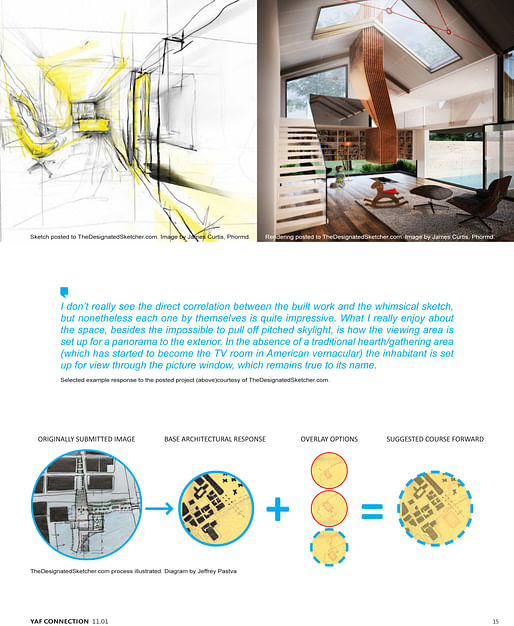
Jeffrey Pastva, AIA LEED AP Pastva is an Assistant Editor for the YAF Connection, serves as Chair of the Young Architects Forum of Philadelphia, founder of The Designated Sketcher website and a Project Architect at Haley Donovan in Haddonfield, NJ. Constructive criticism is valuable... View full entry
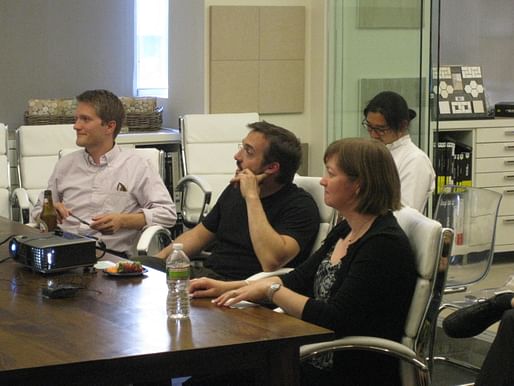
As originally seen on The Designated Sketcher, published in Construction Today and YAF Connection. As Chairs of YAF Philadelphia, we are charged with staying up to date with the current issues and challenges facing the emerging professionals under our umbrella. We are particularly... View full entry
Elevator Pitch Recap Video
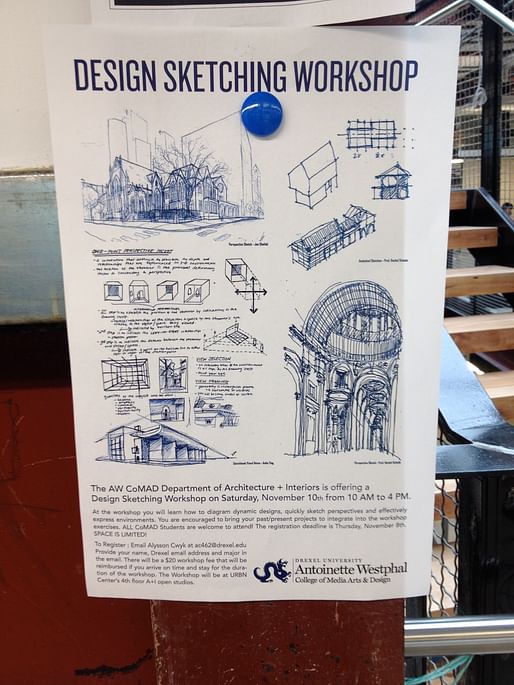
Original post as seen on The Designated Sketcher. On November 10th, Designated Sketcher founder Jeffrey Pastva was invited to participate in a workshop at Drexel University’s Westphal College of Media Arts & Design. It was offered school-wide and drew interest from a... View full entry
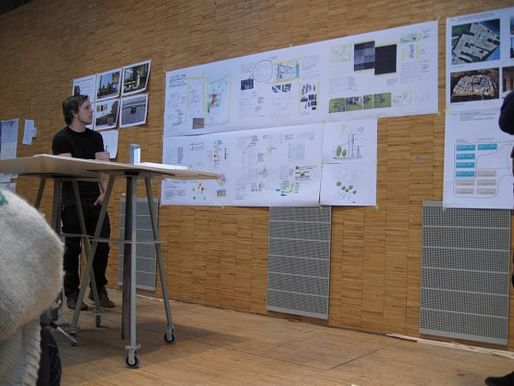
As originally seen on The Designated Sketcher I recently came across a viral article, written by Linda Bennett of Archi-Ninja.com, and it inspired me to follow up with my own piece about all those pesky things that they don’t teach you in architecture school. Her voice and audience appears... View full entry
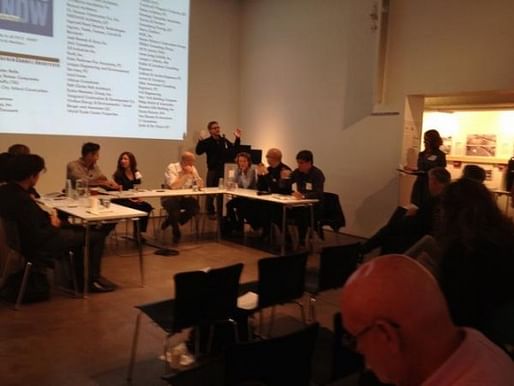
As originally seen on The Designated Sketcher This past weekend, I traveled to the ENYA Future Now Summit to gather with fellow architecture professionals and hopefuls. The goal of the event focused on the future of the profession and how emerging professionals in the field can shape upcoming... View full entry
Visiting Critic is a continuing series of thought provoking observations from architectural insider Jeffrey Pastva - Editor in Chief at YAF Connection, Communications Director for the AIA National Young Architects Forum and a Project Architect at JDavis in Philadelphia. His critical eye will cover everything from the state of architectural education to the future fate of the profession. Expect ideas in your inbox bi-weekly.


