

Follow this tag to curate your own personalized Activity Stream and email alerts.
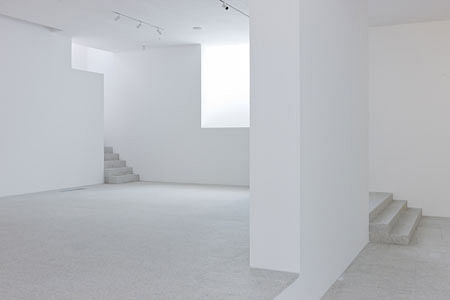
On November 8, Philips and Parsons The New School for Design will bring together architects, lighting designers and researchers for a symposium on the dualistic relationship between natural light and the latest electric lighting technologies, and the influence these systems have on human well... View full entry

The Buffalo Planning Board will be reviewing plans to construct 48 apartments in eight new buildings next week. The complex at 270 Niagara Street sits in the shadow of City Hall. It currently contains 472 units on 9.5 acres and was completed in 1972. — Buffalo Rising
On Nov 6, 2013 in Buffalo the City Planning Board will meet to review plans submitted by Norstar Development that will demolish five buildings of the Paul Rudolph-designed Shoreline Apartments to make room for eight new residential buildings. The is being described as "Phase 1,"... View full entry

The round tables at Starbucks were the result of asking the question how do we want people to feel before considering what do we want them to do...Form follows feeling. — Medium
Christine Outram (currently the Senior Inventionist at Deutsch LA.) penned an essay regarding what architects can learn from Starbucks, when it comes to human centered design. Specifically, in terms of user research, ethnography etc. View full entry
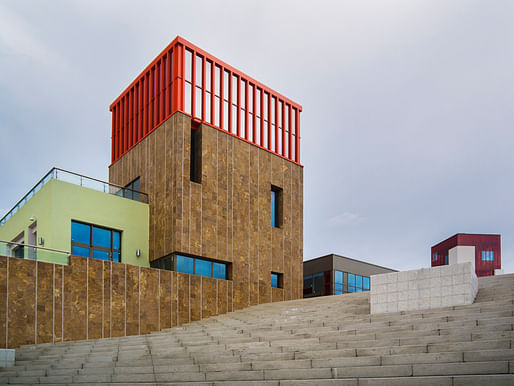
Designed by international architecture and urban design firm, The Jerde Partnership, on behalf of Expo LLC, Mandarin is the first and only outdoor lifestyle entertainment center in Russia. Set within the country’s largest resort city, between the Mzymta River and Black Sea, Mandarin... View full entry
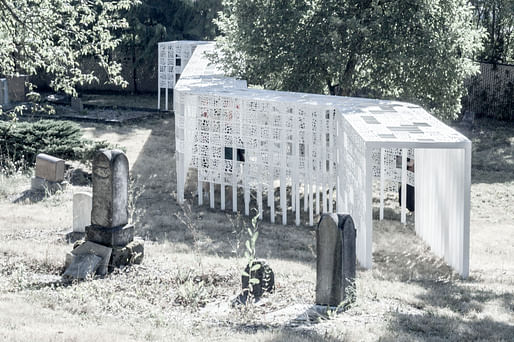
“It is amazing to realize you could walk around the site not knowing if there is a body underneath you,” Nelson said. “How do you commemorate that?” — The Seattle Times
Of the approximately 200 people buried at Saar Pioneer Cemetery, there are 89 unmarked graves, each unable to inform visitors of their presence and the role they played in Kent history. Collaborative artists Frances Nelson and Bradly Gunn seek to mark the unmarked by creating a series... View full entry

A major force within contemporary Indonesian architecture, the soft-spoken man is recognized as the helmsman of a generation of independent architects, yet hardly anyone outside his native country knows his name. Locally celebrated but internationally undiscovered, Matin was one of the first Indonesian architects to establish an independent practice after the fall of Suharto in 1998. — MovingCities
Mark magazine #44 (June-July 2013) put the spotlight on the architectural scene in Indonesia. MovingCities contributed with an interview with leading Indonesian architect Andra Matin who is hailed as ‘a well kept secret in the architecture world’. An extract: A major force within... View full entry
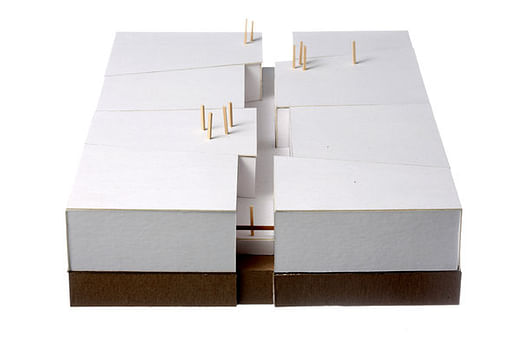
Great architects build structures that can make us feel enclosed, liberated or suspended. They lead us through space, make us slow down, speed up or stop to contemplate. Great writers, in devising their literary structures, do exactly the same.
So what happens when we ask writers to try their hand at architecture?
— New York Times
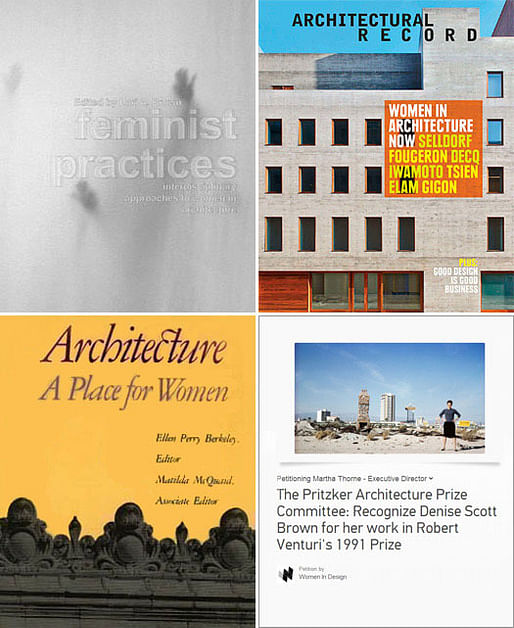
My own conviction is that the most meaningful prolonged response to the Pritzker — but much more, to the entrenched discrimination it both reflects and reinforces — will involve political action directed toward measureable change. It will involve ramping up the current professional and cultural conversation — now focused on sharing experiences, promoting awareness, influencing leaders in the field — and articulating specific goals, definable outcomes. — Places Journal
Lately the subject of women's status in architecture — long dismissed as essentialist and unnecessary — has bounded back onto the agenda. As recent articles, books, exhibitions, online discussions and petition campaigns all attest, the full integration of the profession remains a... View full entry
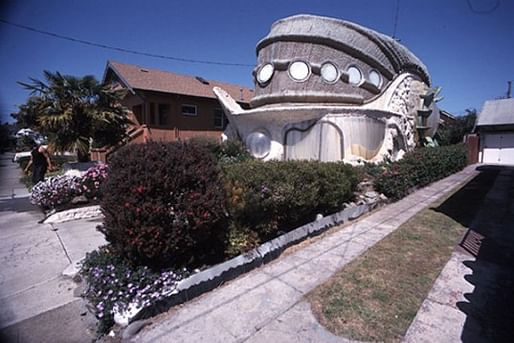
Nicknamed “The Fish House” by locals, the Tsui House built by architect Eugene Tsui is touted by its creator as the one of the world’s safest dwellings. The design is based upon a small and segmented water creature known as a tardigrade, and also features a few architectural elements inspired by dinosaur physiology. — Inhabitat
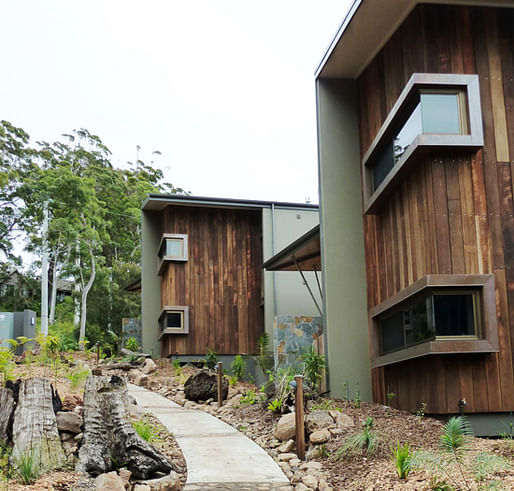
A joint venture between PDT, STH and HASSELL, and a separate project by dm2architecture, have taken top honours in the 30th Australian Institute of Architects’ 2013 Gold Coast/Northern Rivers Regional Architecture Awards. — DesignBuild Source
At university, students from other courses felt that we in architecture weren’t really studying at all; to them the studio seemed like some kind of uber-kindergarten, legitimated for academic credit.... The architecture profession seemed from the outside, and perhaps even to us on the inside, to promise an idyllic eternal childhood of balsa and glue and gee-whiz drawings on computers. — Places Journal
On Places, Naomi Stead discusses the popular conception of architecture as a kind of "child's play." What do dollhouses and architectural models have in common? Why should we care about Lego Architecture and Architect Barbie and the romantic depiction of architects in Hollywood movies? She... View full entry

Rather elegant," intoned the white-haired figure at the podium. He was speaking of Adolf Hitler's Reich Chancellery, designed in 1938 by Albert Speer. Up next on the screen was the Nuremberg Party Rally Grounds where brown-shirted Nazis paraded en masse. "I think it is really great architecture," said the lecturer. "You take off the swastikas, and you can admire it without feeling guilty." — Wall Street Journal
As you might expect, "Audience members shifted awkwardly in their seats, and a few walked out to protest the remarks by Léon Krier, opening a conference on Berlin at the Yale School of Architecture in February." Anyone manage to actually be there for this, or have any follow-up? View full entry
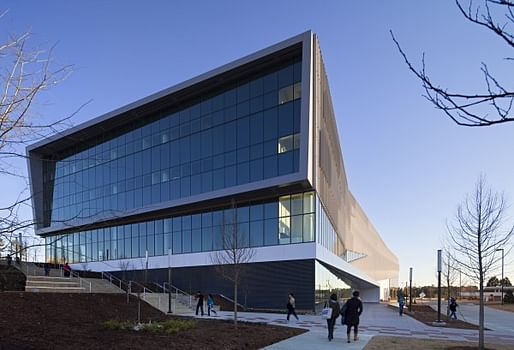
The latest evidence of Philadelphia’s architectural comeback? The Norwegian architecture firm Snøhetta is coming to town for a project at Temple University.
“We have a fantastic tradition of quality architeture and urbanism in Philadelphia, but we do go through low ebbs in that tradition,” says Harris Steinberg, the executive director of PennPraxis, the clinical arm of the University of Pennsylvania’s School of Design.
— Next City
The Norwegian architecture firm Snøhetta has designed some of the most notable buildings and public spaces in the world over the last 15 years. The new Oslo Opera House. Egypt’s Bibliotheca Alexandrina. A reconfigured Times Square in New York, and a massive expansion of the San... View full entry
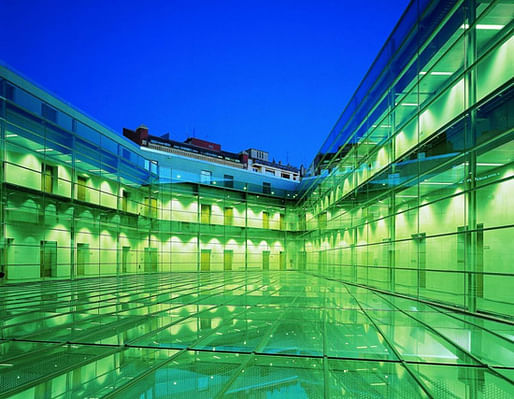
A previously historic government building has now become the centre of the Parliament of Navarra, Spain.
Designed by Otxotorena Arquitectos, the redevelopment project was part of plans to restore the 19th century Audiencia Building of Pamplona. Covering 11,062 square metres, the €9 million redevelopment project has drawn attention for its architectural aesthetics which incorporate a new glass skin into the parliament building.
— DesignBuild Source

South Brisbane’s renewal is well underway and the suburb could soon become home to a landmark $50 million twin tower development known as Arena.
The contemporary 12-floor twin tower apartment buildings is slated for 9 Edmonstone Street and has been designed to allow pedestrian access to Browning Street via a dedicated cross block link.
— DesignBuild Source


