

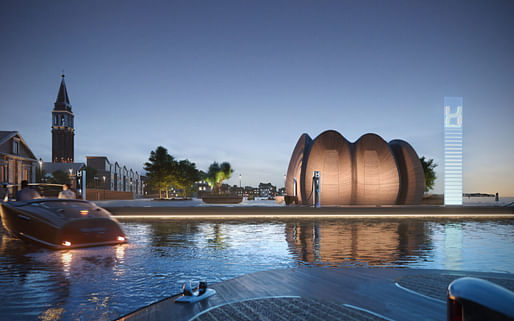
Zaha Hadid Architects has designed the world’s first green hydrogen refueling infrastructure for the recreational boating industry. Refueling stations will be installed at 25 Italian marinas. The project is being spurred by an approximately $108 million investment led by NatPower H, a global... View full entry
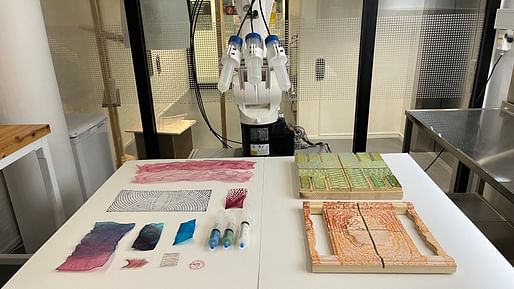
Researchers at Chalmers University of Technology in Sweden have published their study into how materials made from nanocellulose and algae can be used as sustainable architectural materials. The research, conducted in collaboration with the Wallenberg Wood Science Center, “shows how the abundant... View full entry

The Pentagon has announced it will be installing a solar panel array on its roof in a historic first that’s part of a new $55 million Department of Defense clean energy initiative at military installations in the United States and Germany. The DOD has been active in attempting to mitigate the... View full entry
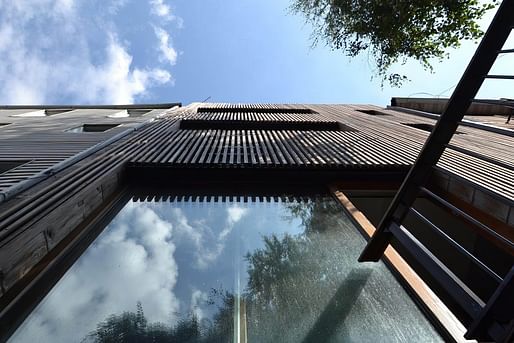
Dive into this week's curated job roundup as we spotlight eight architecture firms on the lookout for architects and designers experienced or interested in passive house design. To learn more about previous coverage explore our 2017 op-ed piece from Zack Semke "How Passive House Design Can... View full entry

A team comprising Coldefy and Carlo Ratti Associati has unveiled their design for France’s national pavilion at World Expo Osaka 2025. Titled ‘Theatrum Naturae,’ meaning ‘Theatre of Nature,’ the pavilion is inspired by France’s natural landscapes, with a “looping narrative... View full entry

New York City teens have launched an initiative, born out of a 2019 citywide climate walkout, to urge Mayor Adams to "speed up plans to retrofit school buildings to make them safer, healthier, and more climate-friendly." The student-led environmental coalition named, TREEage is "asking... View full entry

The Skidmore, Owings & Merrill-designed Terminal 2 at India’s Kempegowda International Airport Bengaluru has opened to passengers. Inspired by the ‘garden city’ heritage of Bengaluru, the designers describe the airport terminal as “a serene multimodal transit hub that radically reimagines... View full entry
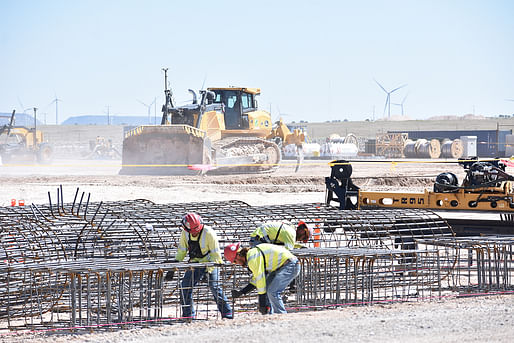
Construction has begun on the largest clean energy infrastructure in U.S. history. The joint SunZia Transmission and SunZia Wind projects will span New Mexico and Arizona, bringing power to 3 million people. The project is being delivered by Pattern Energy, which has secured $11 billion in... View full entry

A team from Drexel University has published their research into a self-healing system for concrete. The team, operating in the University’s College of Engineering, embedded bacteria in their concrete system that, when activated by water, can repair cracks in the concrete. Named ‘BioFiber,’... View full entry

New research from two U.S. universities has drawn a link between socially vulnerable populations and urban heat island effect. The team, drawn from the University of Texas at San Antonio and Pennsylvania State University, used Philadelphia as a case study to summarize how more vulnerable people... View full entry

Hong Kong-based Ronald Lu & Partners has completed a residential development in Kowloon described as a “real forest building.” Named Garden Crescent, the scheme was designed with the philosophy of “nature on every doorstep.” Image credit: Ronald Lu & Partners Image credit: Ronald Lu &... View full entry
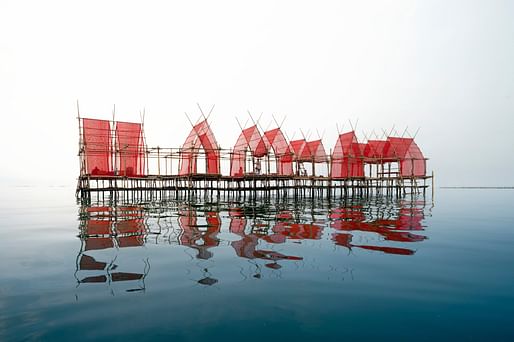
Bangkok-based Chat Architects has completed a bamboo fishing pavilion off the coast of Thailand. Named the Angsila Oyster Scaffolding Pavilion, and located off the historic Angsila fishing village, the pavilion aims to revitalize the area’s struggling fishing and seafood industry through the... View full entry

Wrapping up a year in the wake of the recently concluded COP28 UN climate summit that resulted in, well, mild levels of agreement on the role of fossil fuels, it is possible to sense a slightly increased urgency toward this most pressing planetary issue on a high-minded diplomatic level. As we're... View full entry
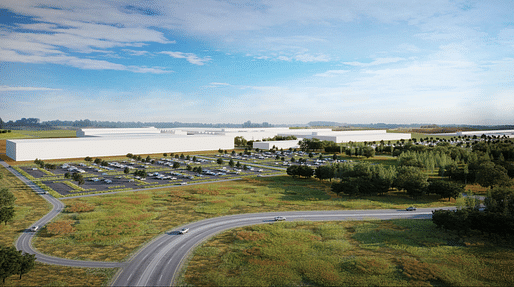
Clayco and Skidmore, Owings & Merrill have been selected by electric vehicle manufacturer Rivian to construct a “state-of-the-art EV manufacturing plant” in Stanton Springs, Georgia. The 1,800-acre complex is expected to “contribute significantly to the continued growth and adoption of... View full entry
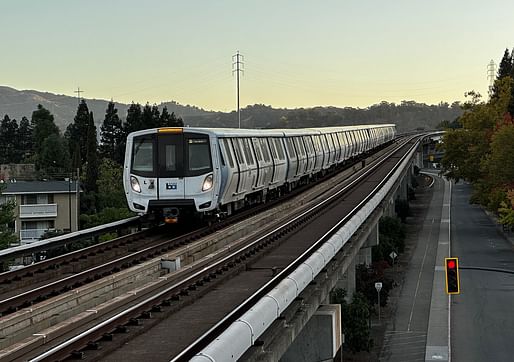
The California Transportation Commission has announced the allocation of $1.1 billion for projects aimed at repairing and improving the state’s transportation infrastructure. The funding will be deployed to projects in areas including Los Angeles, the Bay Area, and San Diego. In Los Angeles, $... View full entry


