

Recap of lecture on 10/15/12 - watch video here
Walter Hood: A Cultural Practice
Practice/Process
- practice: 1 writer + 2 architects + 1 landscape architect + 1 product designer
- mundane/everyday – commemorative – community design
- process: periods of determination within an otherwise rigid design process allow for dreaming, reimagining the world – likened to jazz improvisation
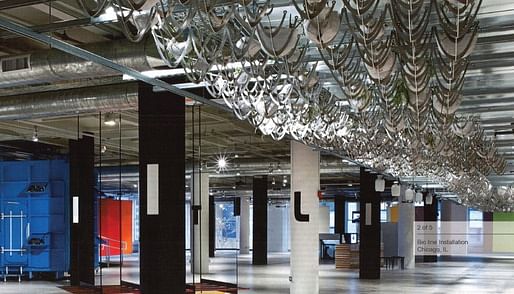
Bio line
- installation at Art Institute of Chicago, where Hood enrolled in MFA program
- parasitic sculpture – aluminum sculpture over air ducts in Sullivan Galleries allows plants to grow from ceiling, referencing Sullivan’s natural ornament
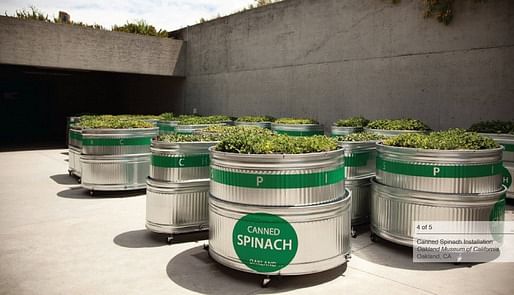
Canned Spinach
- temporary exhibit at Oakland Museum of California
- observes city’s past as center of vegetable and fruit canning with Del Monte
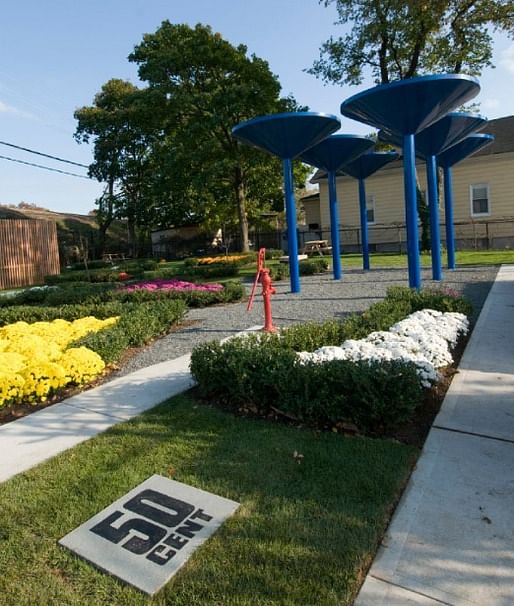
Baisley Park
- Jamaica Queens – institutionalized community garden
- ownership and education through planting own food
- opening with 50 Cent and Bette Midler energizes space through cultural involvement
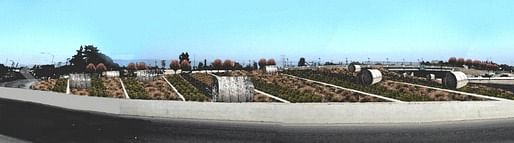
San Jose Airport Gateway
- 15 acres around highway interchange
- community expected typical sculptural grid to recall agricultural geometries
- instead, grew plants in a linear fashion, then created aluminum bales that suggest movement as people drive by – about car moving through
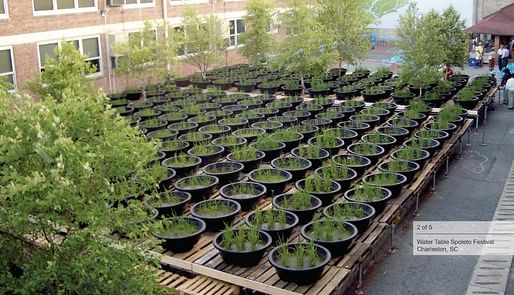
Water Table Spoleto Festival
- reflect dependence, cultural exchange – slaves and settlers combined knowledge and resources to grow rice
- created wetland in school courtyard; conviction that wetland will always be a wetland, marsh will always be marsh – reversion
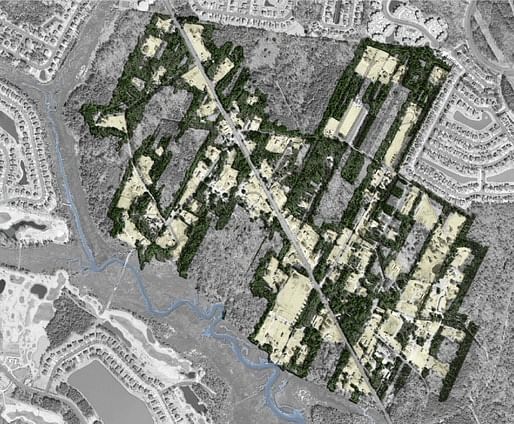
Phillips Community
- over 100 years, the community adapted to the marsh, remained mostly agrarian, but has changed in the last few decades with urbanism and development
- new development is about itself, not about the landscape
- lifeways plan – maintain minimum 40’ overgrowth between existing community and new development
- maintain urban pattern, hydrology, habitat; prevent detrimental road development

San Francisco Mint
- wetland on roof – water, birds, animals
- elucidate hydrology of the area
- water on both sides; cultural and natural response

Union Street Residence
- garden and house equal footprints – unique for San Francisco
- kitchen opens to garden
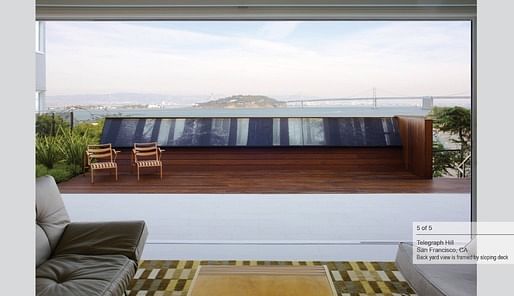
Telegraph Hill Residence
- floor raises up at end to block view of big boxes and direct view to landscape
- collapse middle ground through greenery growing up from the floor, disguising the edge of the roof
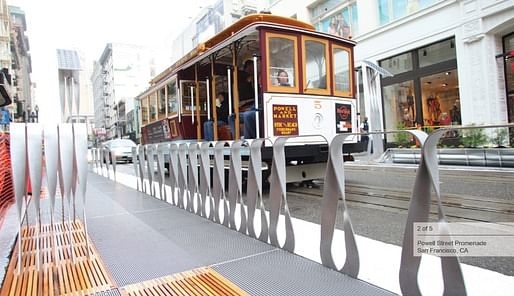
Powell St Promenade
- installation created parklets over two blocks of busiest pedestrian area in San Francisco
- planters, benches, and standing tables; aluminum furniture rises out of grating
- typically, don’t see the design in images of the project, only people
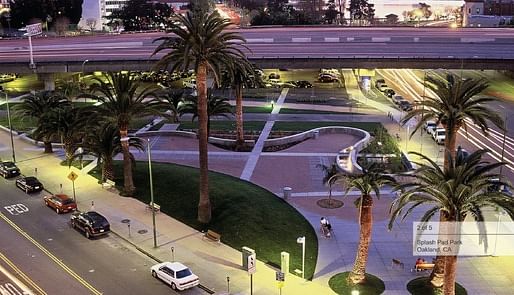
Splashpad Park
- intended to create connection between parking under freeway and shopping center
- originally a glorified crosswalk project, the community raised more money to create an actual place
- now hosts one of the largest farmers market in San Francisco bay area
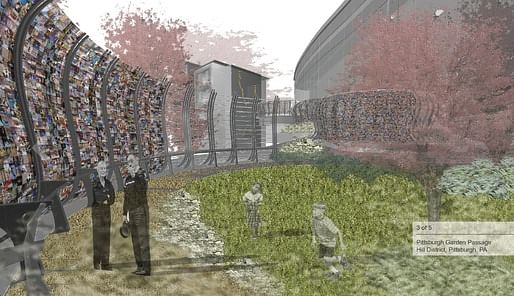
Garden Passage
- located in the neighborhood of Pittsburgh Penguins arena
- function of catching water achieved through rain gardens; curtains of images of people and places in the Hill District accompany these gardens
- overwhelming response of people bringing pictures to public barbeques, so an archive system was established to gather images, which would be put on glass curtains
- highlight impact on community
- understanding of rain gardens – rain songs – R&B – speak to musical history of Pittsburgh, once considered the Chicago of the east
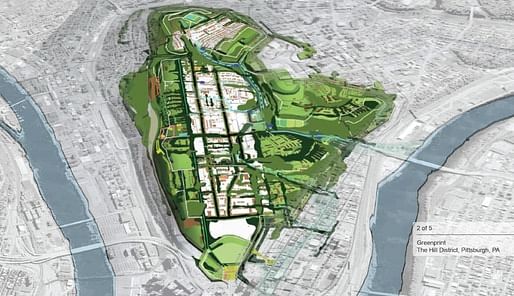
Greenprint - Hill District Pittsburgh
- “inverted Central Park” – development on interior, green ring surrounding
- residents don’t need to find the rivers in Pittsburgh – they need a greater association with their context
- started by defining old coal paths, cleaning existing historic stairs
- small interventions around existing places – enhancing sectional relationship
- instead of a formal final presentation, designers took residents through paths,
ended at the police station, historically contentious, but started a community conversation

New De Young Museum
- palm trees over underground parking garage – trees there in the past, brought back
- ferns – understand cultural exchange with Australia
- connections to Japanese Tea Garden, James Turrell skyspace, Golden Gate Park
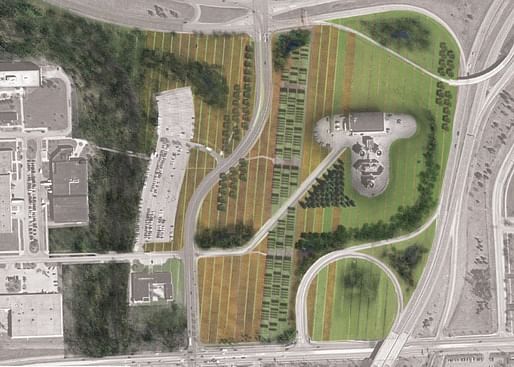
University of Buffalo Solar Strand
- history of site – questioning of place
- topsoil had been previously removed, so no significant tree canopy existed
- car heavy culture – huge carbon footprint
- stranded landscape – wrote a script to help organize panel layout in reference to DNA strand, shadow pattern
- used torn up sidewalks on campus for site pathways
- local nursery owner knew a way to grow trees without topsoil, so students helped plant trees around campus – beginning of pedagogical and cultural change
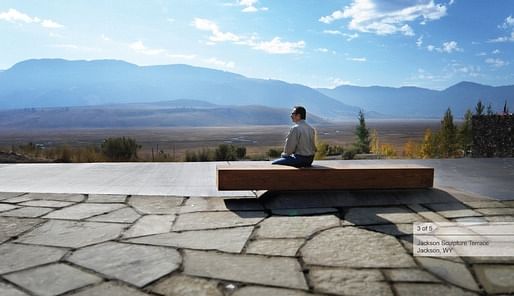
Jackson Sculpture Terrace
- donors wanted sculpture trail to museum
- existing site overwhelmed by blacktop/parking
- take out 1/3 of parking, change arrival sequence
- push car away from building, more pedestrian character allows better view of landscape
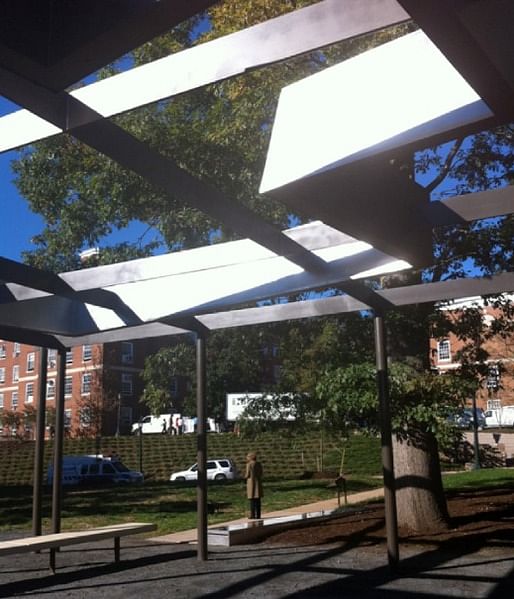
UVA Shadow Catcher
- shadow and reflection
- African American folklore – catching a ride to heaven through light; release of spirit
- slump of graves – landscape once lived in
All images from http://wjhooddesign.com/
Next SAID lecture: Hagy Belzberg, 10/17/12 at 5:00 pm in DAAP 5401


This blog will provide a recap of events - lectures, gallery openings, major reviews, etc. - at the University of Cincinnati's School of Architecture and Interior Design. Most entries are written by graduate assistants at SAID; other authors will be noted by post.



No Comments
Block this user
Are you sure you want to block this user and hide all related comments throughout the site?
Archinect
This is your first comment on Archinect. Your comment will be visible once approved.